
Artist
MEGUMI YUASA

Photo: Thomas Barratt
Photo: Thomas Barratt
Photo: Thomas Barratt
Photo: Thomas Barratt
Photo: Thomas Barratt
Photo: Thomas Barratt
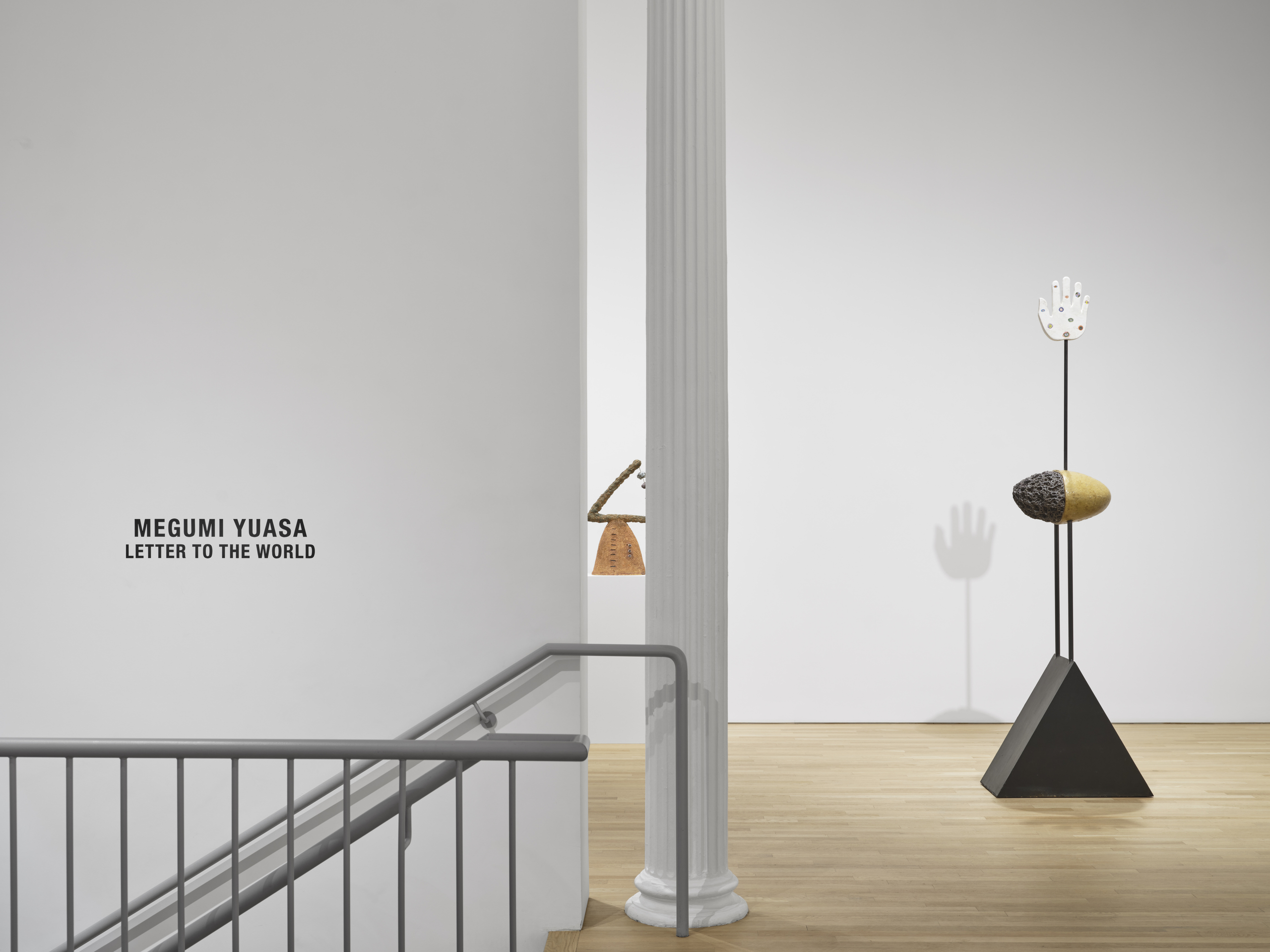
Megumi Yuasa: Letter to the World
March 5 – April 11, 2026
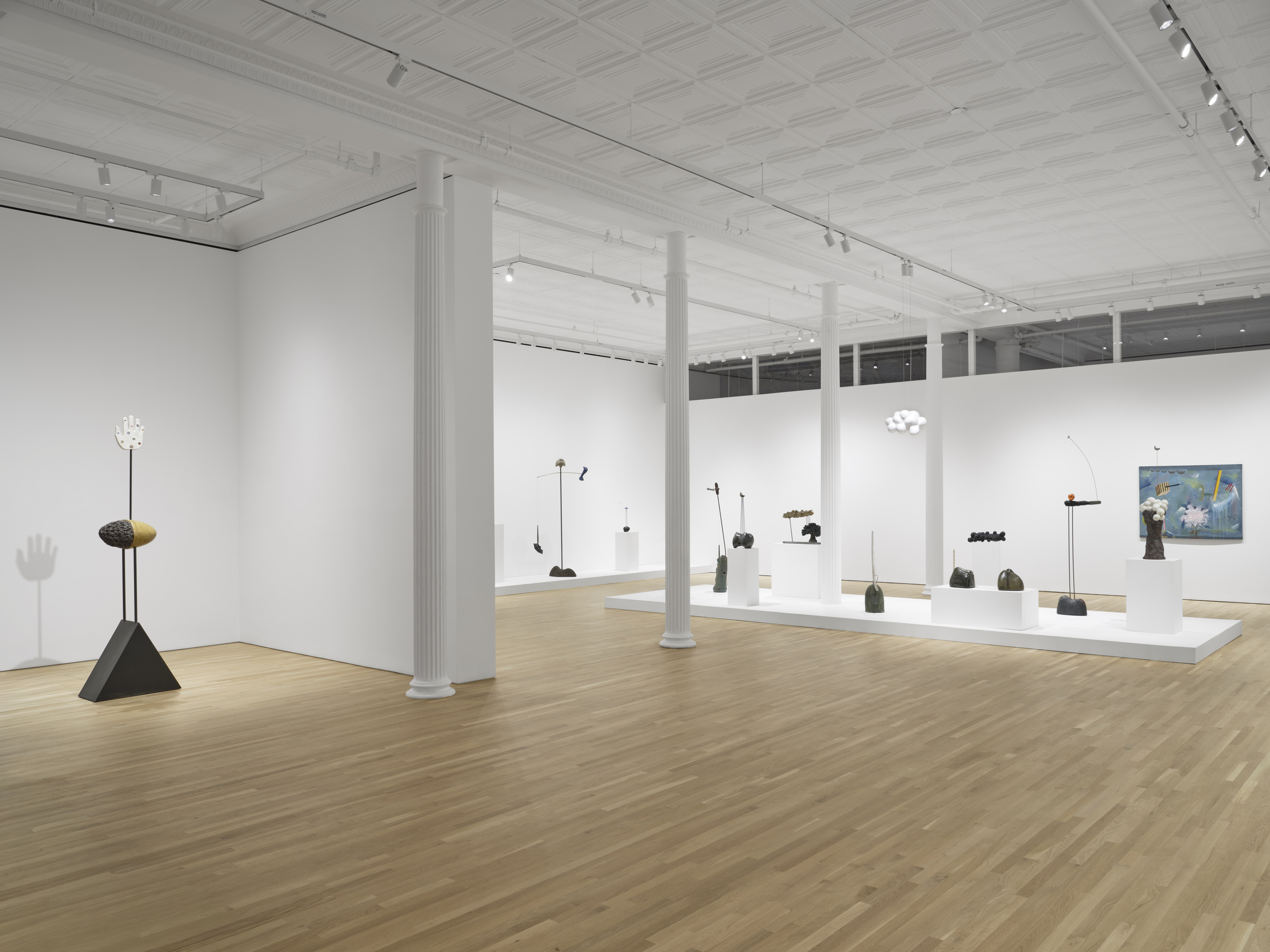
Ortuzar is pleased to present “Megumi Yuasa: Letter to the World,” a solo exhibition of work by Japanese-Brazilian sculptor Megumi Yuasa (b. 1938) and his first exhibition in the United States. Bringing together approximately thirty works from the early 1970s to 2025—including historic sculptures and a group of new works produced in New York—the presentation surveys six decades of Yuasa’s practice across ceramic, metal, and stone. In conjunction with the exhibition, Ortuzar will publish a fully illustrated catalogue in collaboration with Gomide&Co, featuring a new text by novelist and historian Karen Tei Yamashita reflecting on her fifty-year friendship with the artist.
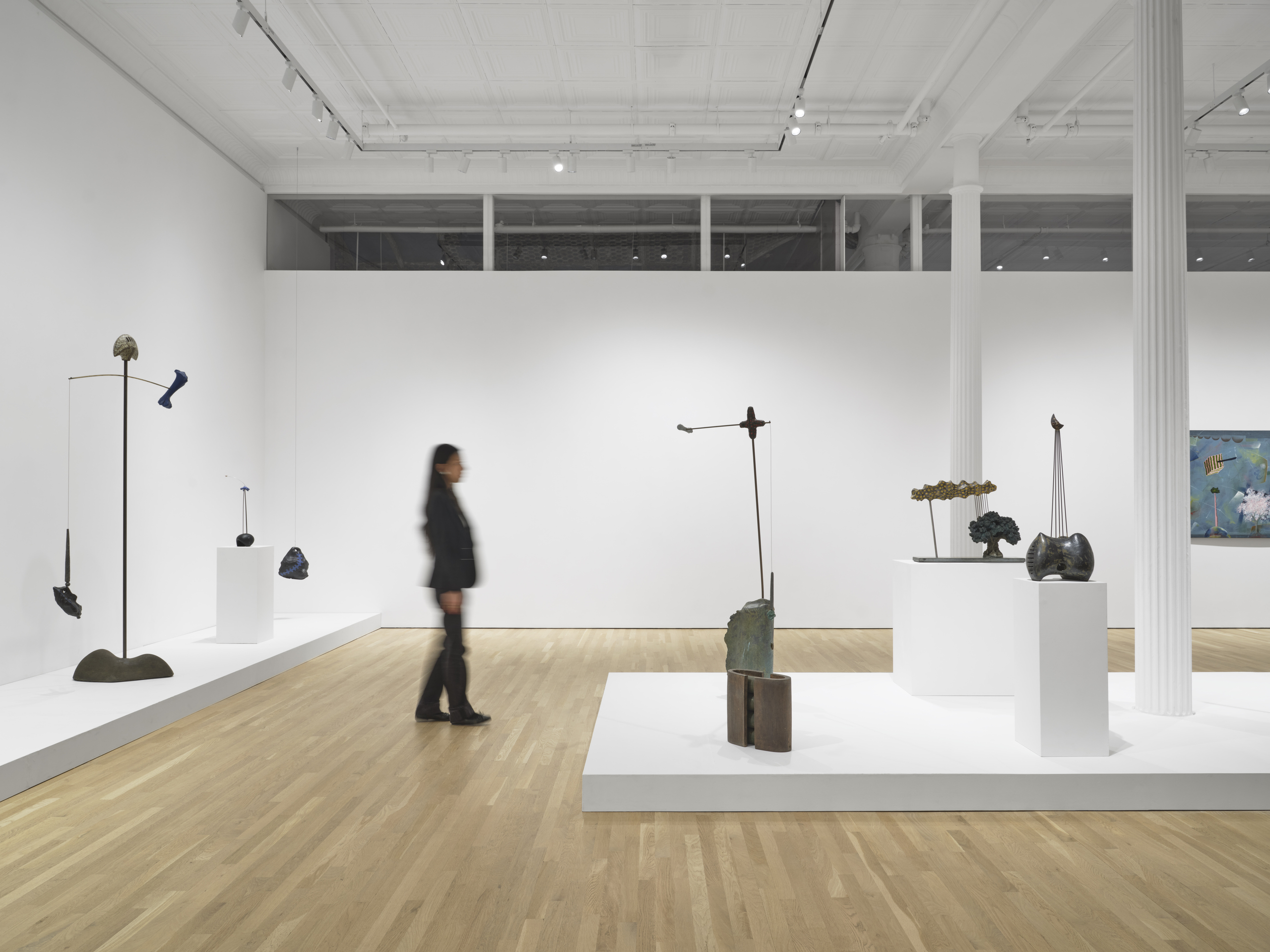
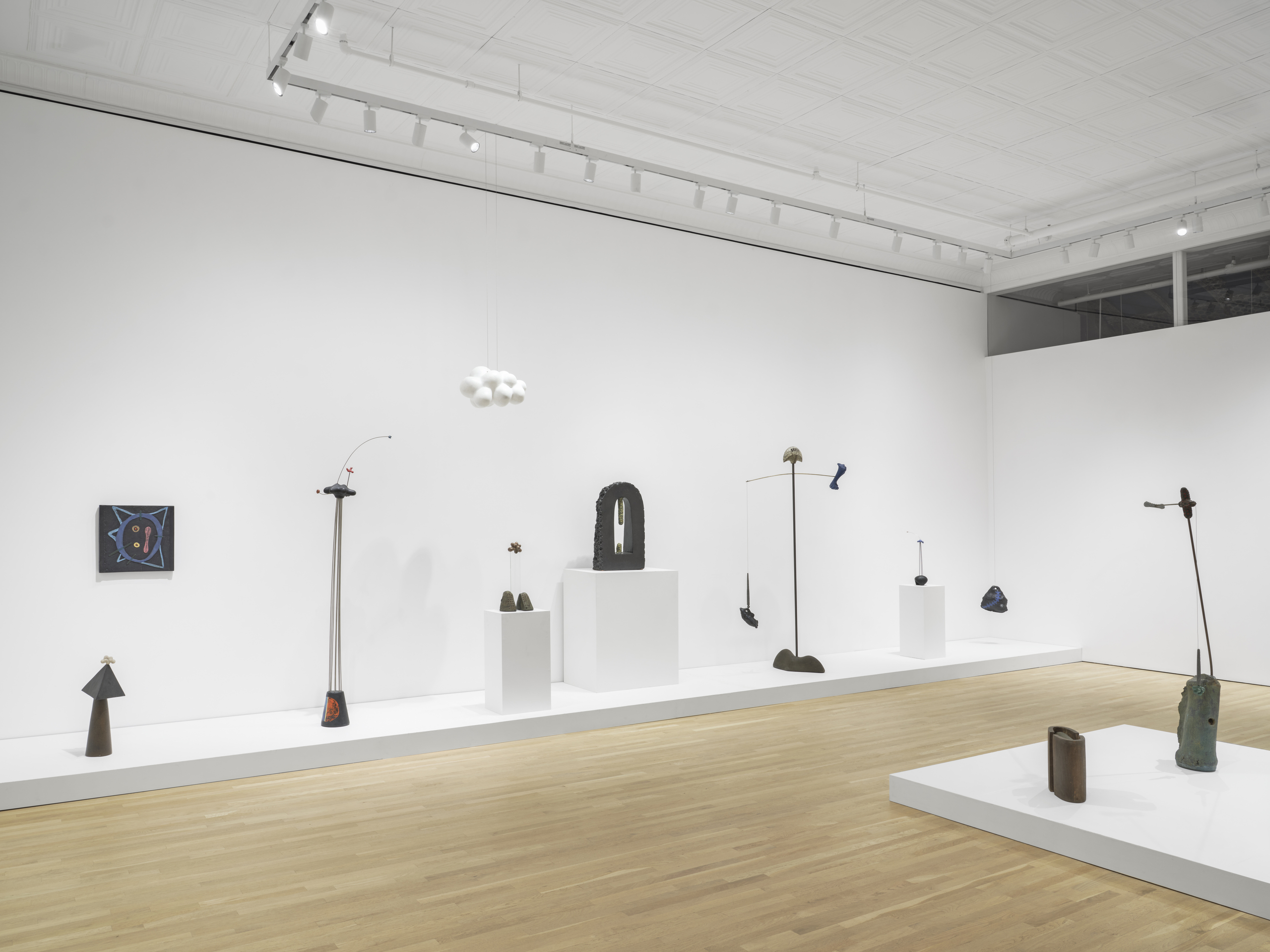
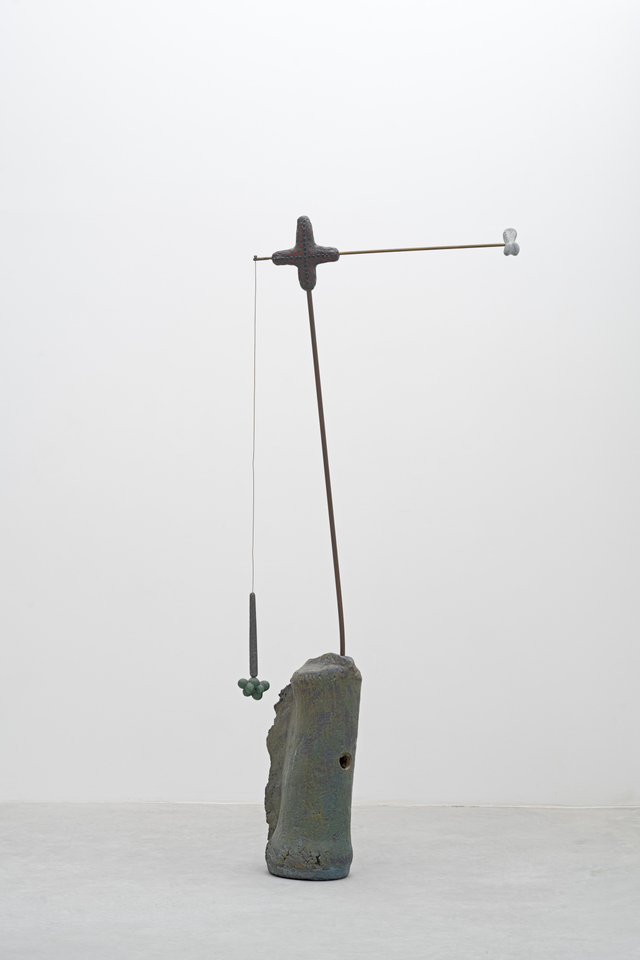
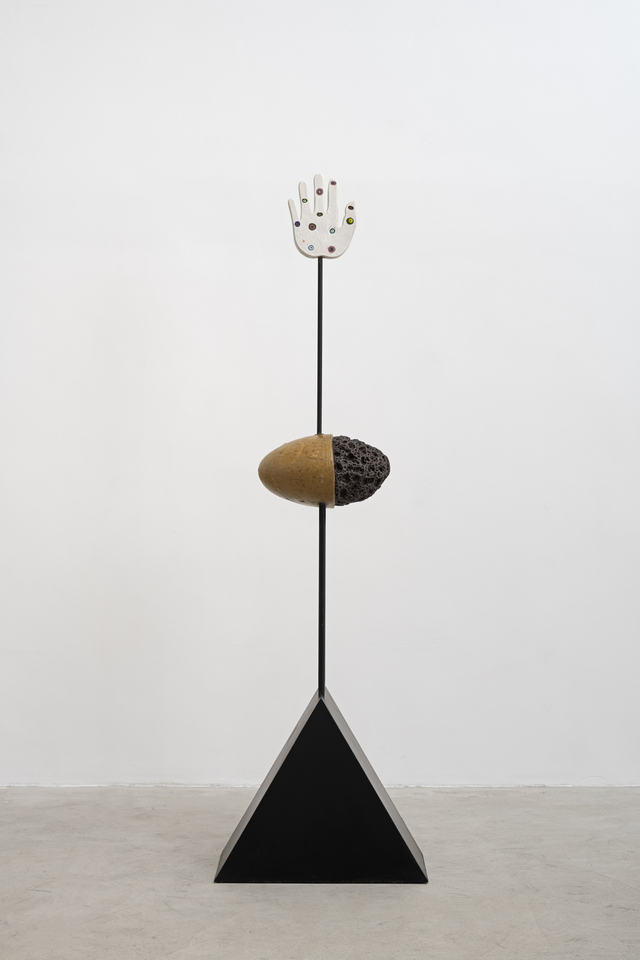
Marking Yuasa’s debut exhibition with the gallery, the exhibition traces the evolution of a distinct sculptural language: compact ceramic constructions from the beginning of his career; vertically oriented sculptures that fuse fired, glazed, and painted clay with iron, steel, and brass; and recent works that distill a lifetime’s attention to form, gravity, and poetic transformation. Monumental works including Personagem Sensível [Sensible Character] (1988), Tropical (1980), and the early Nuvem [Cloud] (c. 1975) establish the exhibition’s physical and conceptual scale, while related sculptures—including key examples of the artist’s Espássaro and Árvores [Trees] bodies of work—reveal a long-term investigation into balance, suspension, and the reciprocal pull between earth and sky.
Although Yuasa has participated in the São Paulo Biennial and is represented in major Brazilian museum collections—including the Museu de Arte Moderna de São Paulo and the Pinacoteca do Estado de São Paulo—his work has rarely been seen in the United States. This exhibition situates Yuasa within a broader sculptural lineage that includes Constantin Brâncuși and Isamu Noguchi while foregrounding the distinct political, diasporic, and material conditions that shaped his work in Brazil.
Born in São Paulo to Japanese parents who emigrated to Brazil for missionary work—part of a broader twentieth-century migration that established the largest Japanese population outside Japan—Yuasa came of age within a Japanese-Brazilian cultural milieu that produced artists including Tomie Ohtake, Manabu Mabe, and Tikashi Fukushima. While many contemporaries turned toward painting and abstraction, Yuasa committed to clay—returning again and again to formative encounters in his youth with the natural world and clay itself. In 1963, Yuasa was briefly imprisoned for circulating notices for a Marxist reading group during the tense years leading up to Brazil’s military dictatorship. Dismissed from his job and disillusioned with institutional structures, he relocated with his wife, Naoko, to Goiás, in Brazil’s interior, where an extended period of rural isolation and landscape intensified a devoted, daily engagement with clay. Returning to São Paulo in the early 1970s, Yuasa became associated with the experimental milieu around Escola Brasil and established a studio and kiln in Vila Campestre—helping to cultivate a community that would shape the field of clay-based practice in Brazil.
Throughout his career, Yuasa has articulated a philosophy of radical interconnection between matter, body, and the universe: “Everything is made from everything. Everything depends on everything. Everything is everything.” For Yuasa, this is not metaphor but material proposition: clay is stone transformed by time and pressure; ash returns to the earth; metal oxidizes; matter circulates through bodies, landscapes, and fire. He understands the ceramic firing process not only as transformation, but as return—clay back to stone. Sculpture, in turn, becomes a site of participation in these cycles, rather than a break from them.
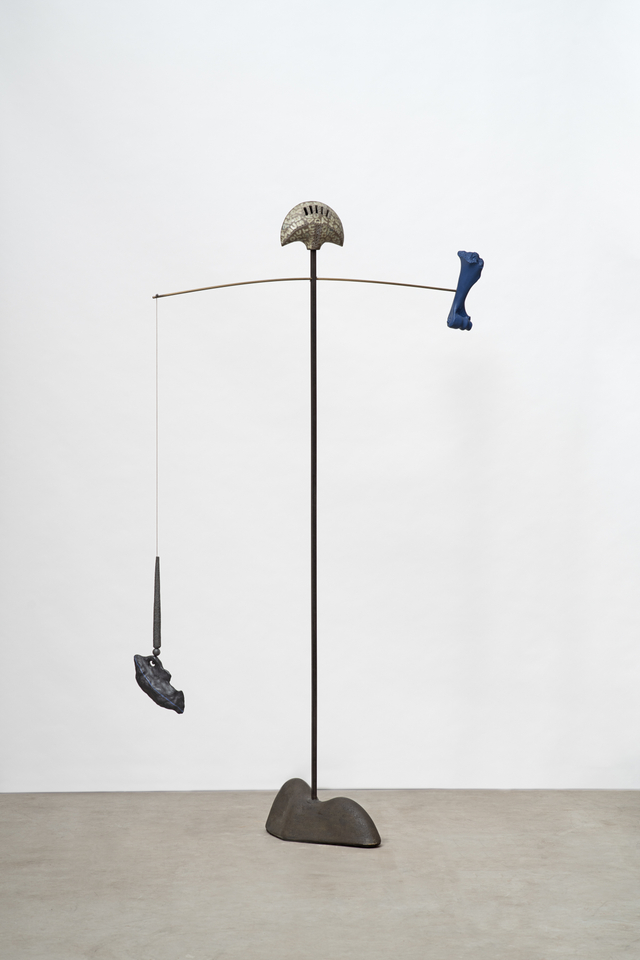
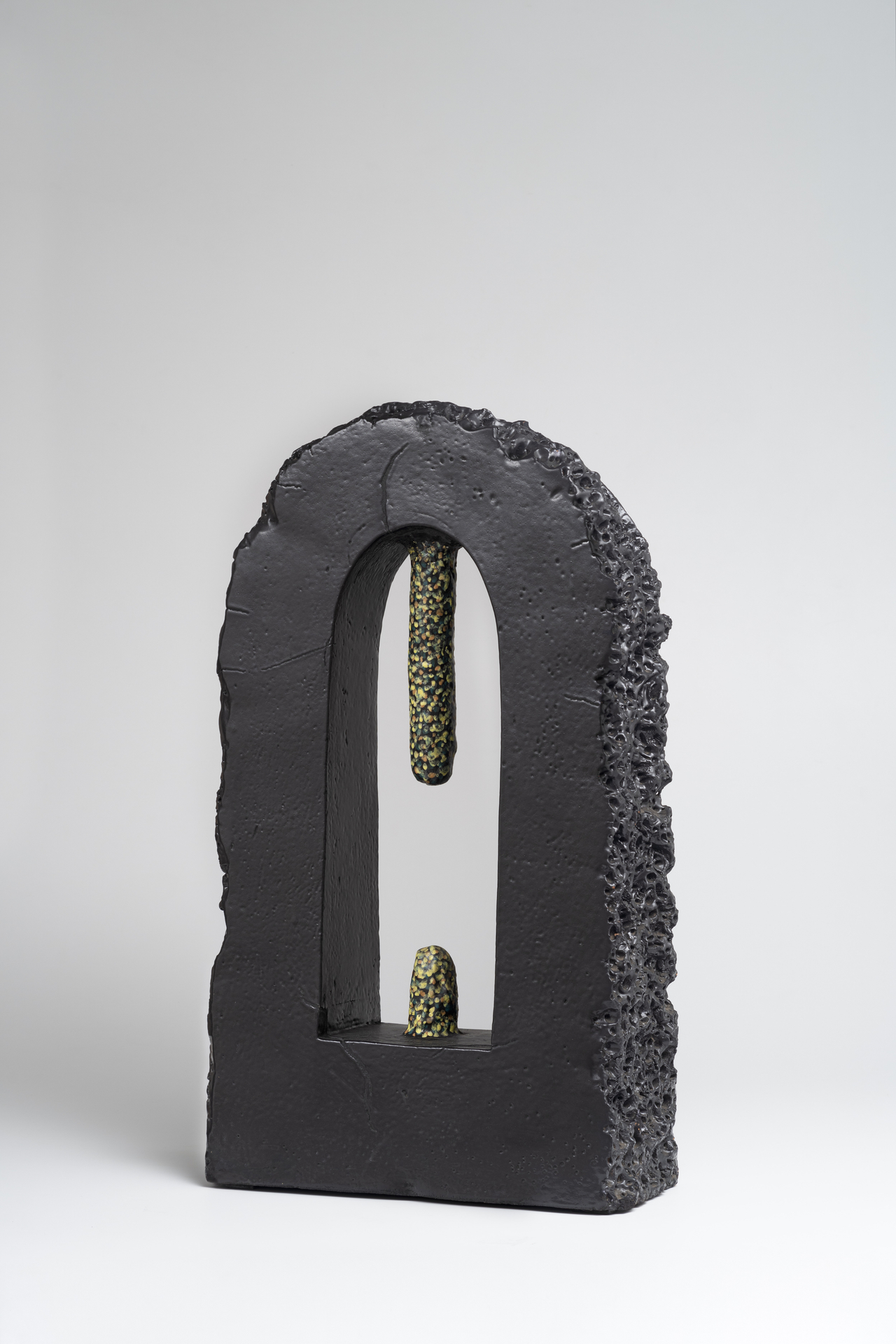
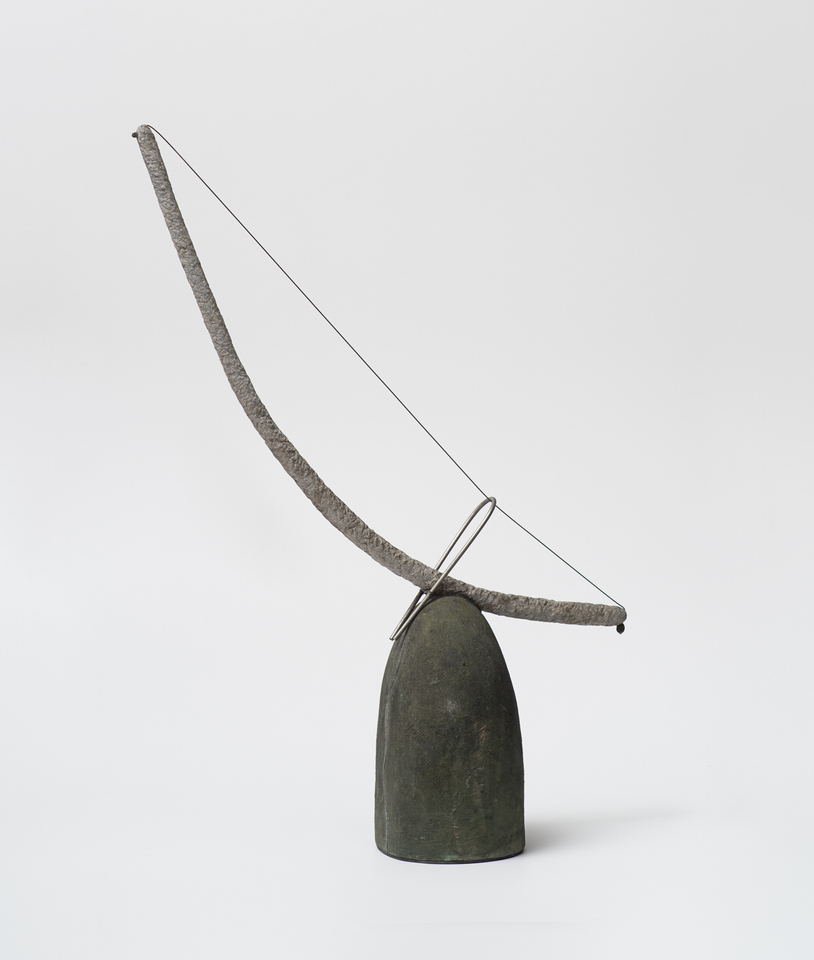
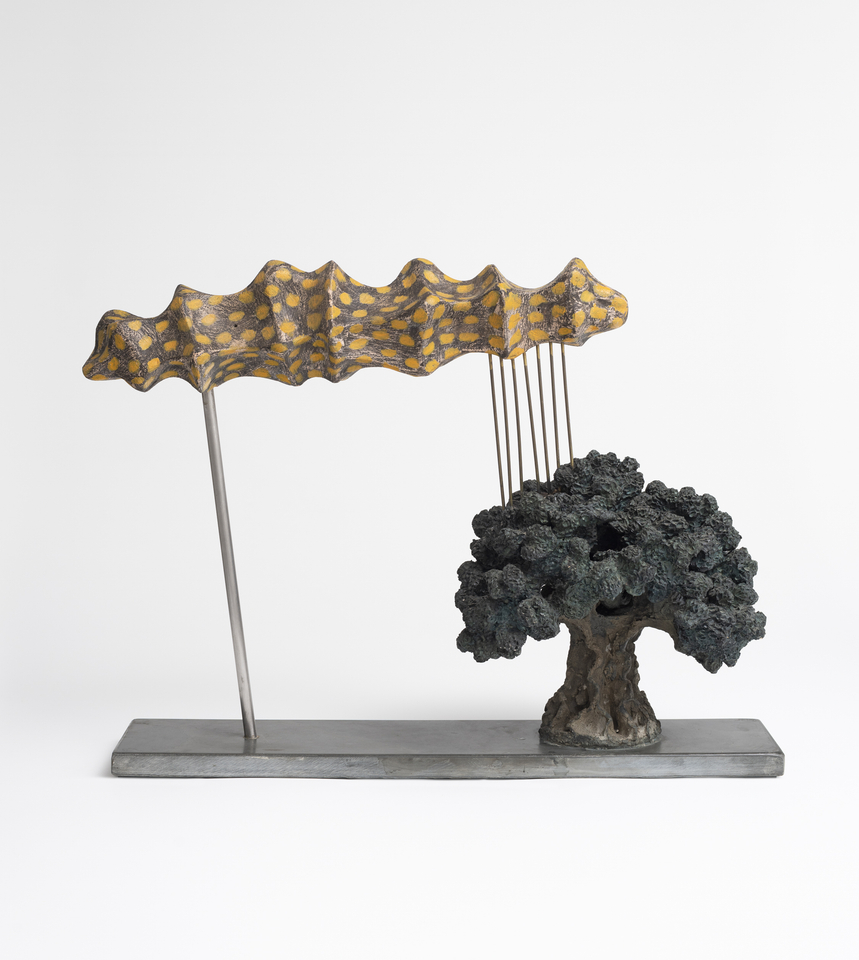
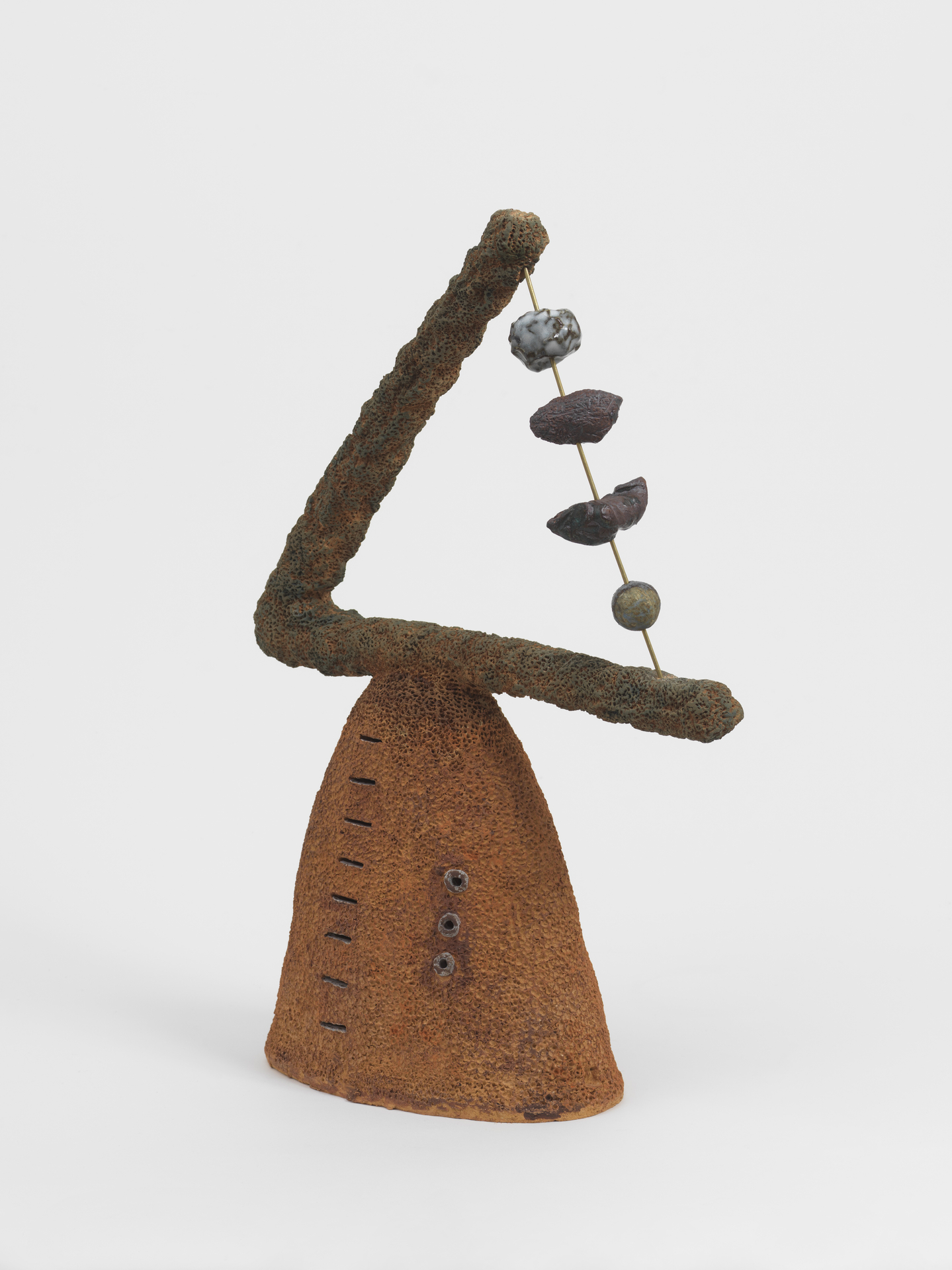
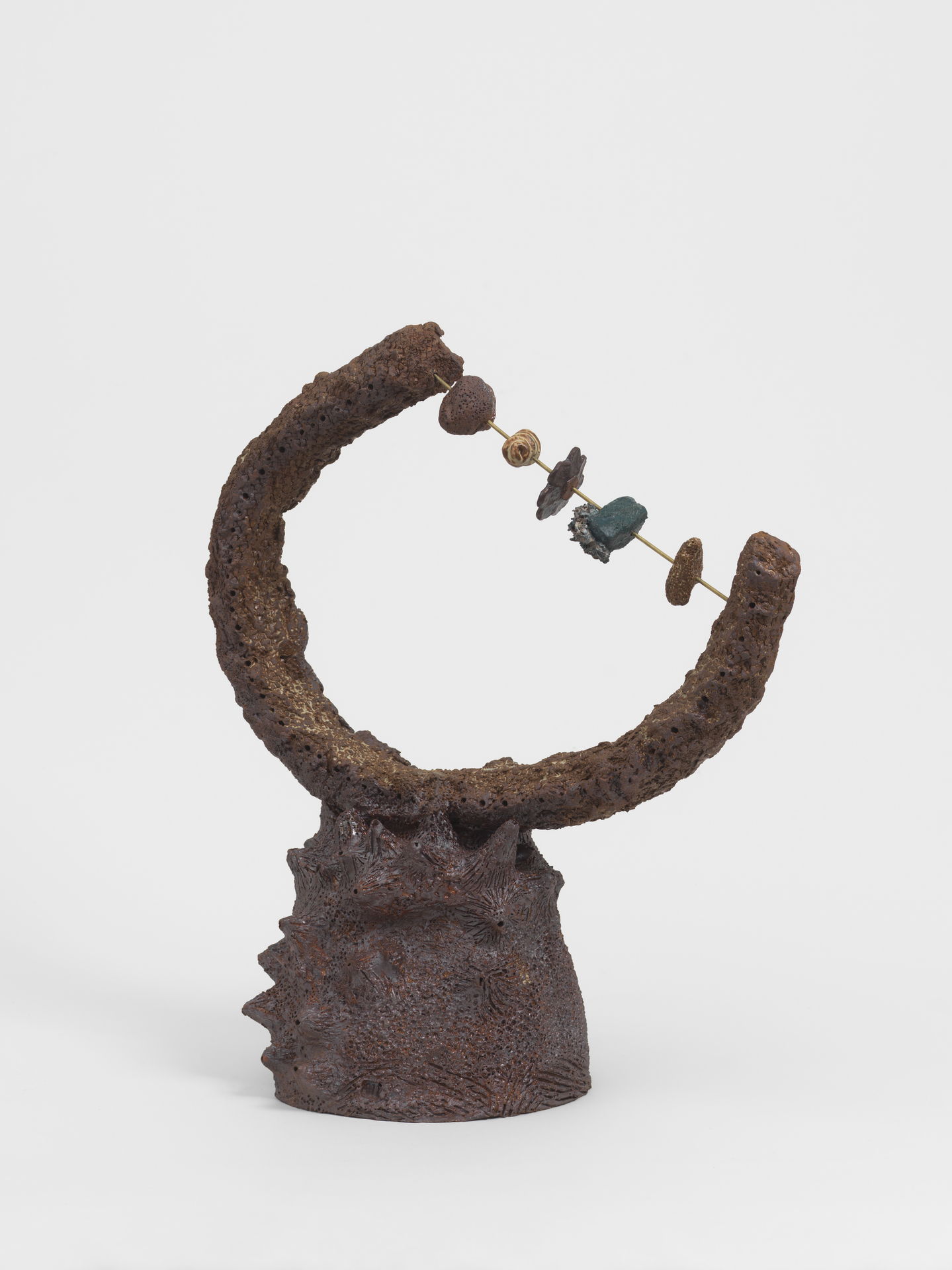
While ceramics in both Japanese and Brazilian traditions are often aligned with refinement, utility, and technical purity, Yuasa pushed clay beyond inherited categories by fusing it with industrial metal, stone, pigment, and structural supports. Here, clay is neither vessel nor ornament but structural force—capable of weight, tension, elevation, and precarious balance. Recurring motifs—clouds, seeds, trees, portals, bridges, moonds—appear as a set of modular elements recombined across decades. A rod may lift a moon; a bridge may suspend a cloud; a tree may anchor a constellation of hovering forms. Instead of leaving earlier ideas behind, Yuasa continuously repositions them, accumulating symbols that he deploys within a syntax of asymmetry, equilibrium, and ascent.
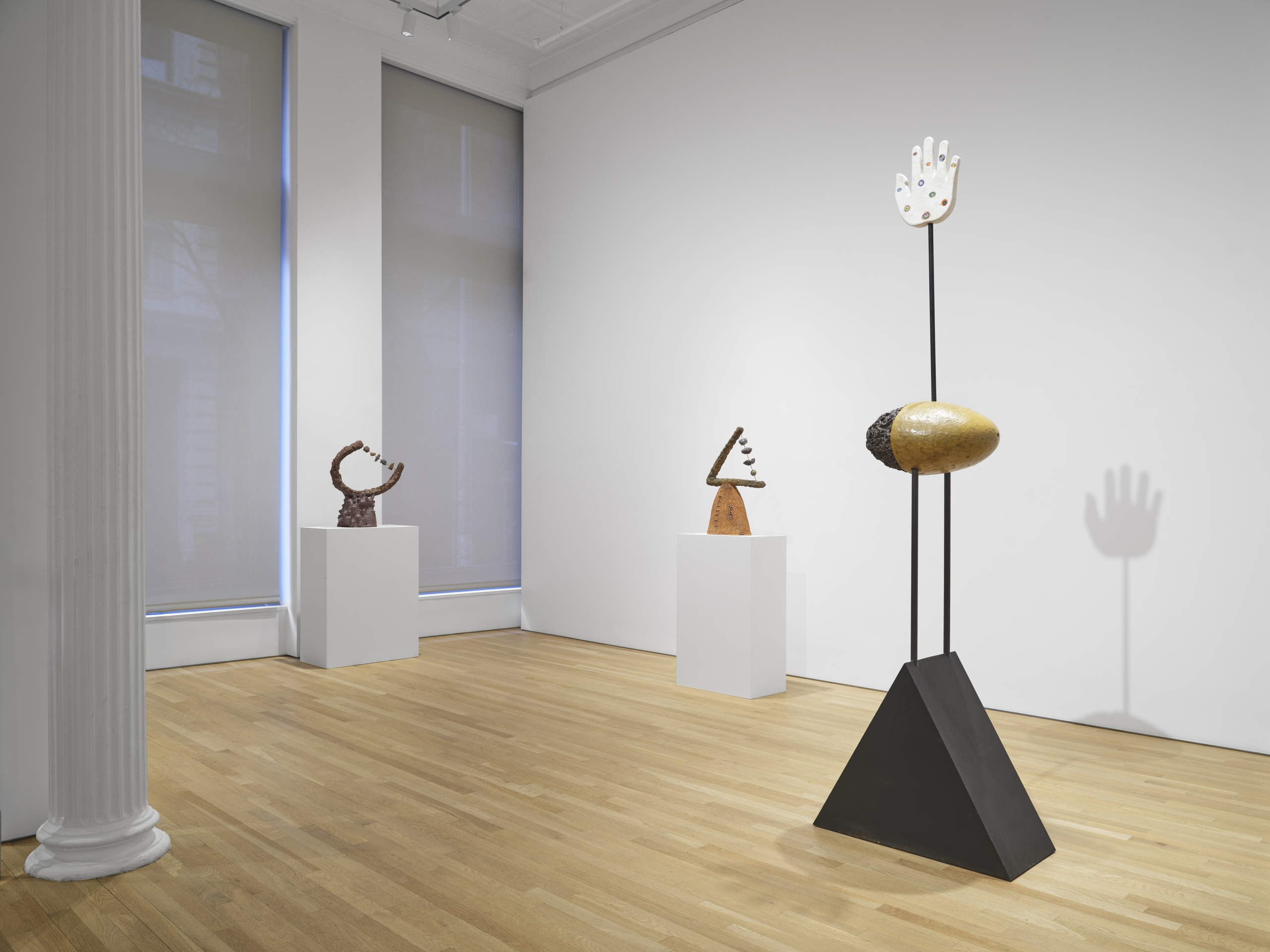
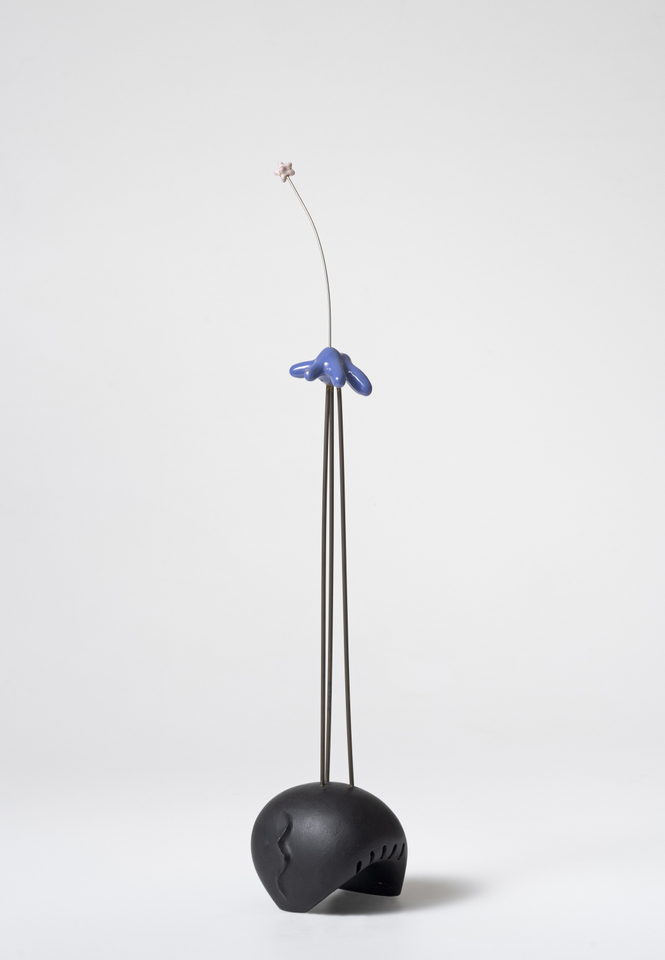
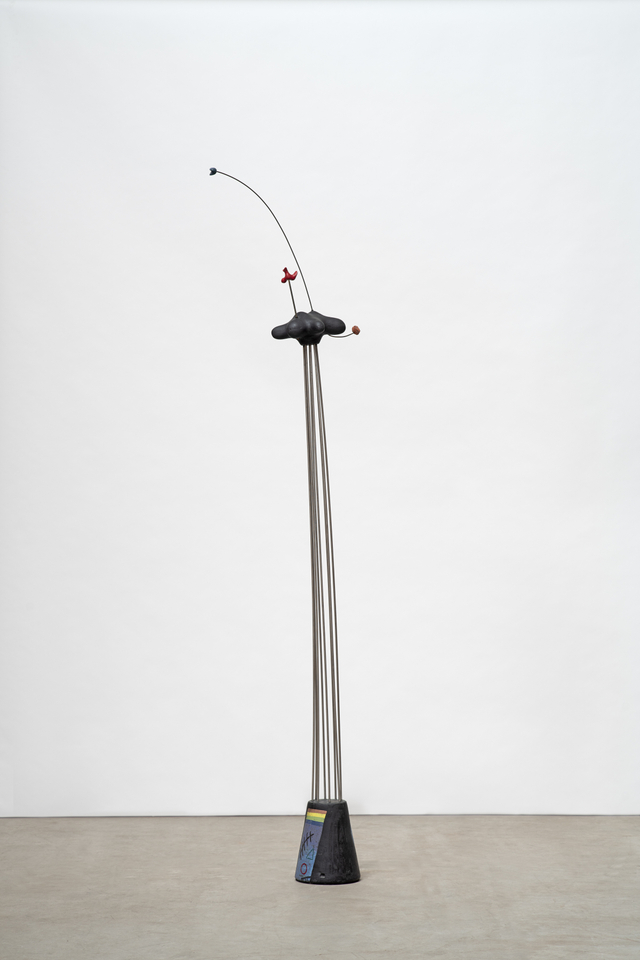
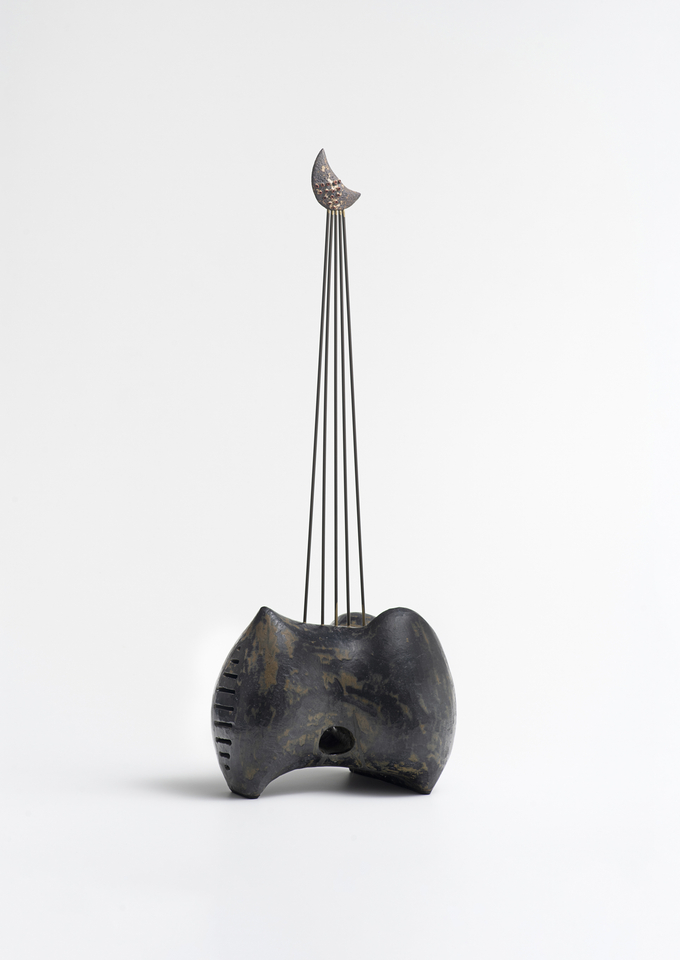
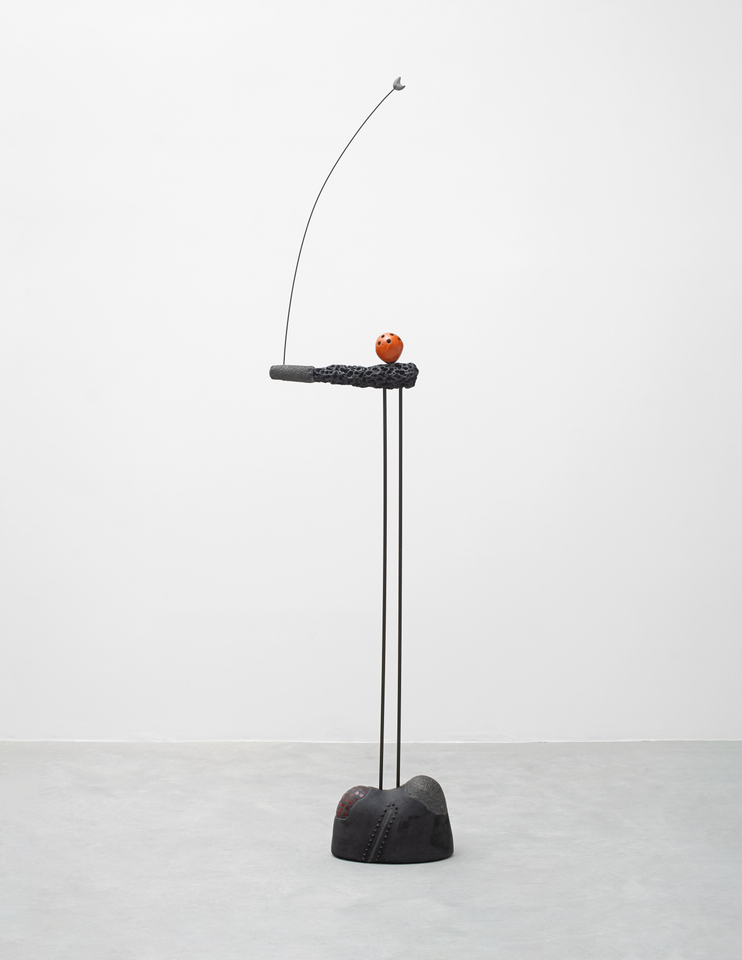
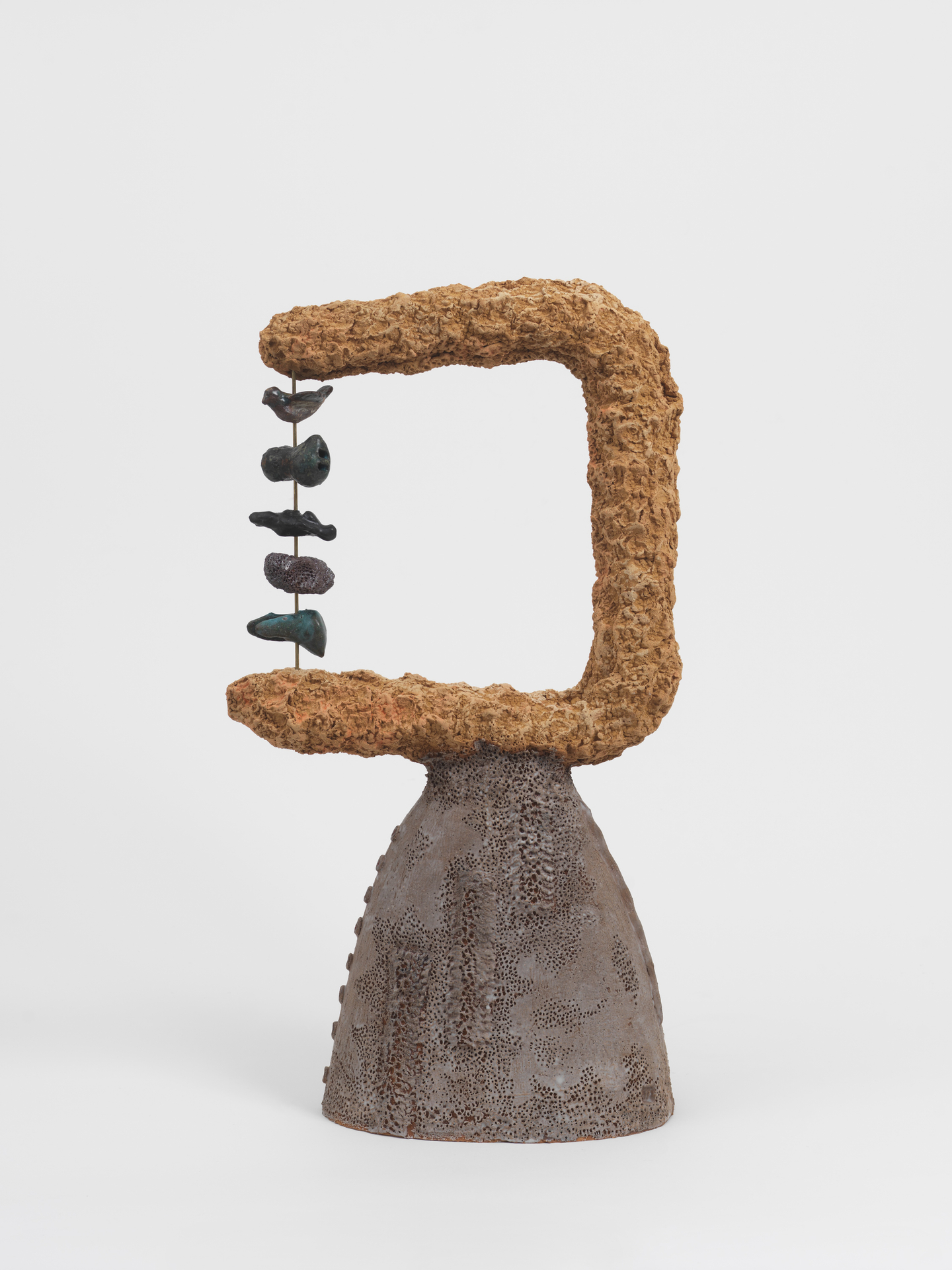
Central to this vocabulary—and this exhibition—are Yuasa’s Espássaro works. A Portuguese neologism translating roughly to “Bird in Space,” the title makes explicit reference to Constantin Brâncuși’s Bird in Space (1923). Rising from ceramic bases, slender metal rods support small polymorphic glazed forms that hover above—variously luminous and weather, biomorphic and planetary. Their verticality recasts Brâncuși’s modernist verticality through clay’s density and irregularity, offering instead a geometry that remains visibly contingent on gravity, balance, and touch.
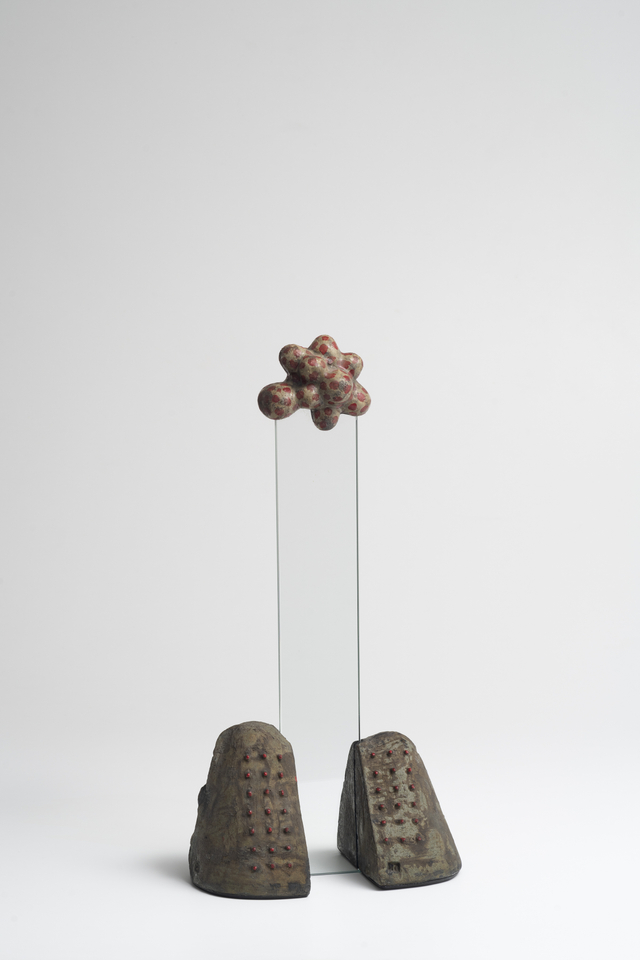
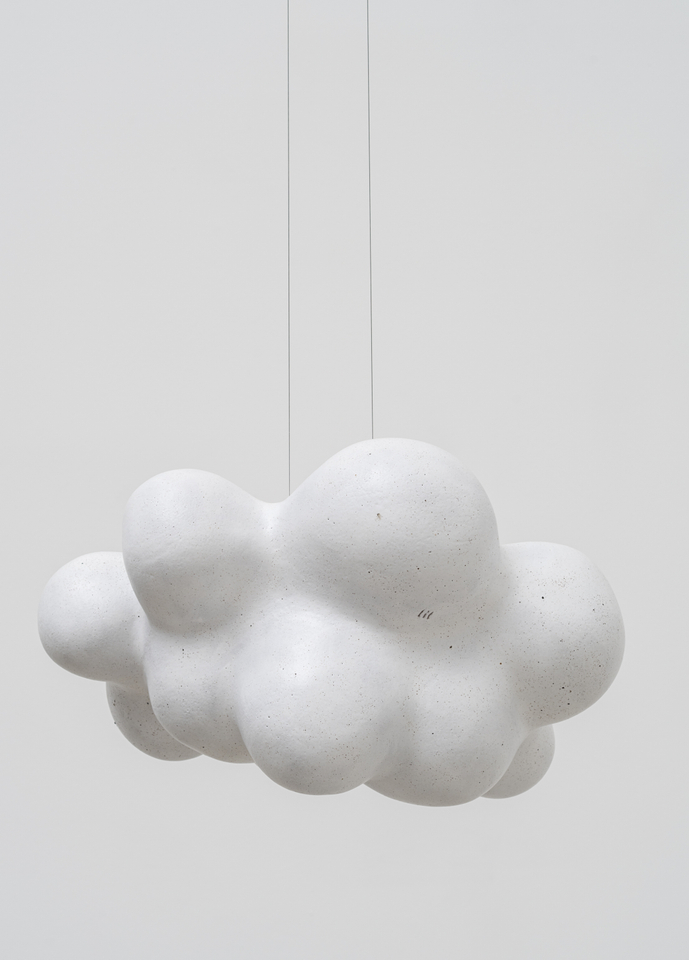
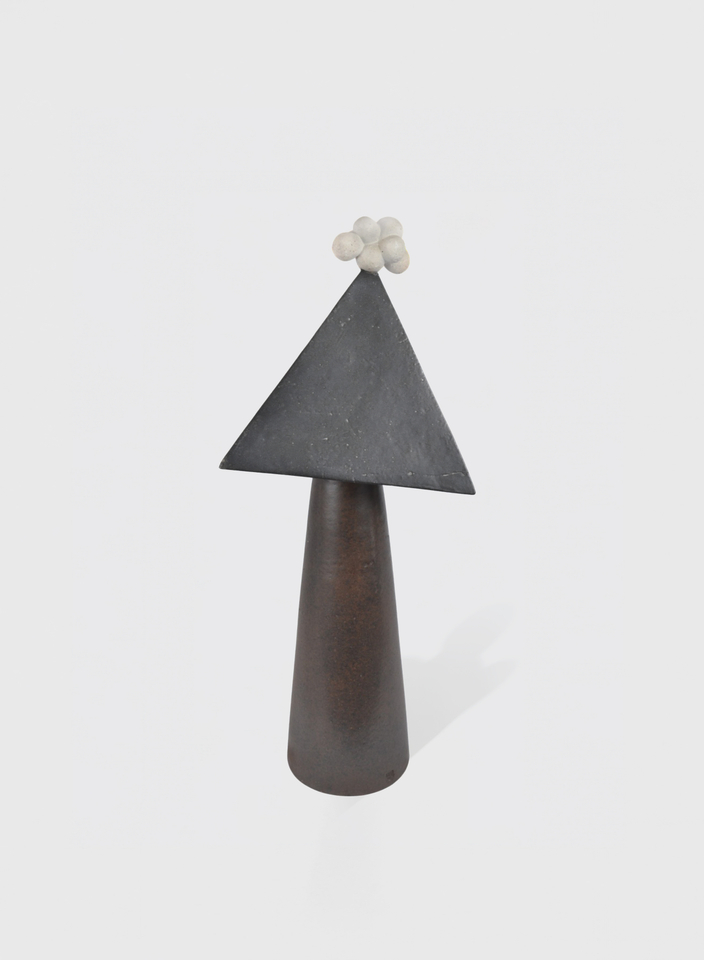
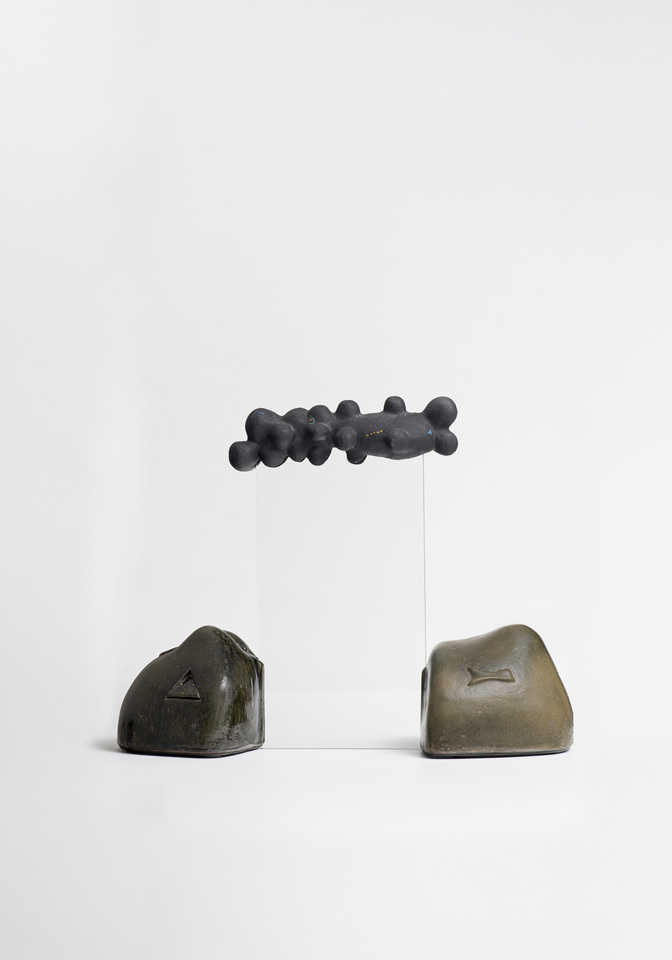
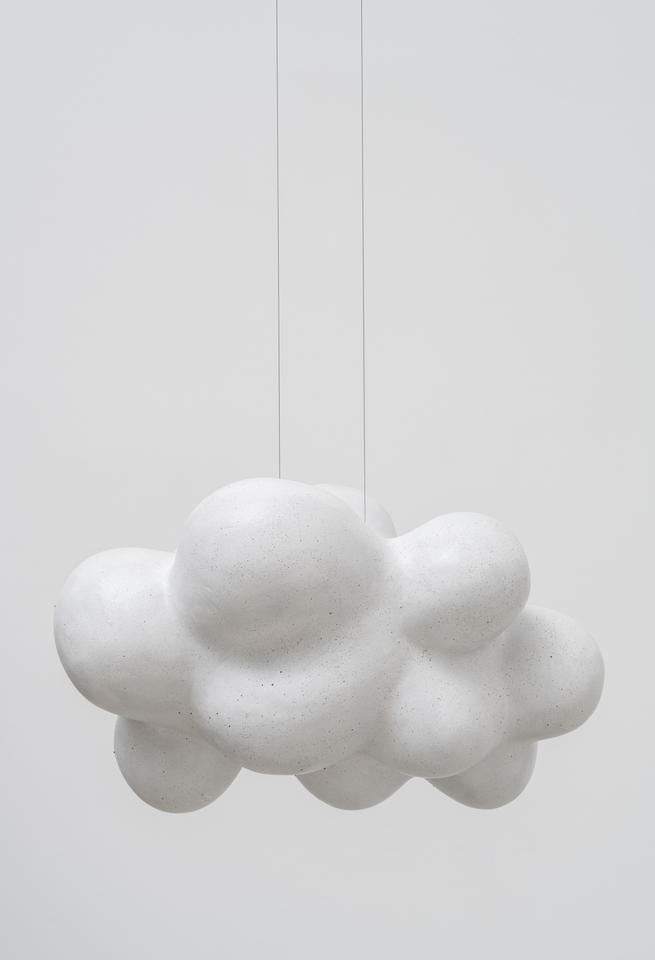
In his suspended cloud sculptures—bulbous, glazed ceramic forms that hover in the gallery—Yuasa gives sculptural form to his belief that matter is never static but always in motion. Clouds, like clay, are shaped by cycles of transformation: water rises, condenses, falls, and returns. These works materialize that movement, balancing weight and ascent within a precarious equilibrium. In related bodies of work such as Sementes [Seeds], Yuasa partially encases stone within ceramic vessels, underscoring his conviction that human making is continuous with natural processes. As he writes, “ceramic, the work of man / and stone, of nature / ceramic-stone, seed.” The seed becomes both container and origin—an image of return rather than invention.
In the late 1980s, he moved with Naoko to Itu, where he became a master ceramist at Cerâmica Aruan. With access to large industrial kilns, he expanded his scale and material range, producing major works—including a mural for the factory façade—while also fostering a culture of experimentation among the workers, functioning as both artist and teacher. He later returned to São Paulo, where his practice has continued to evolve in increasingly distilled and cosmological terms.
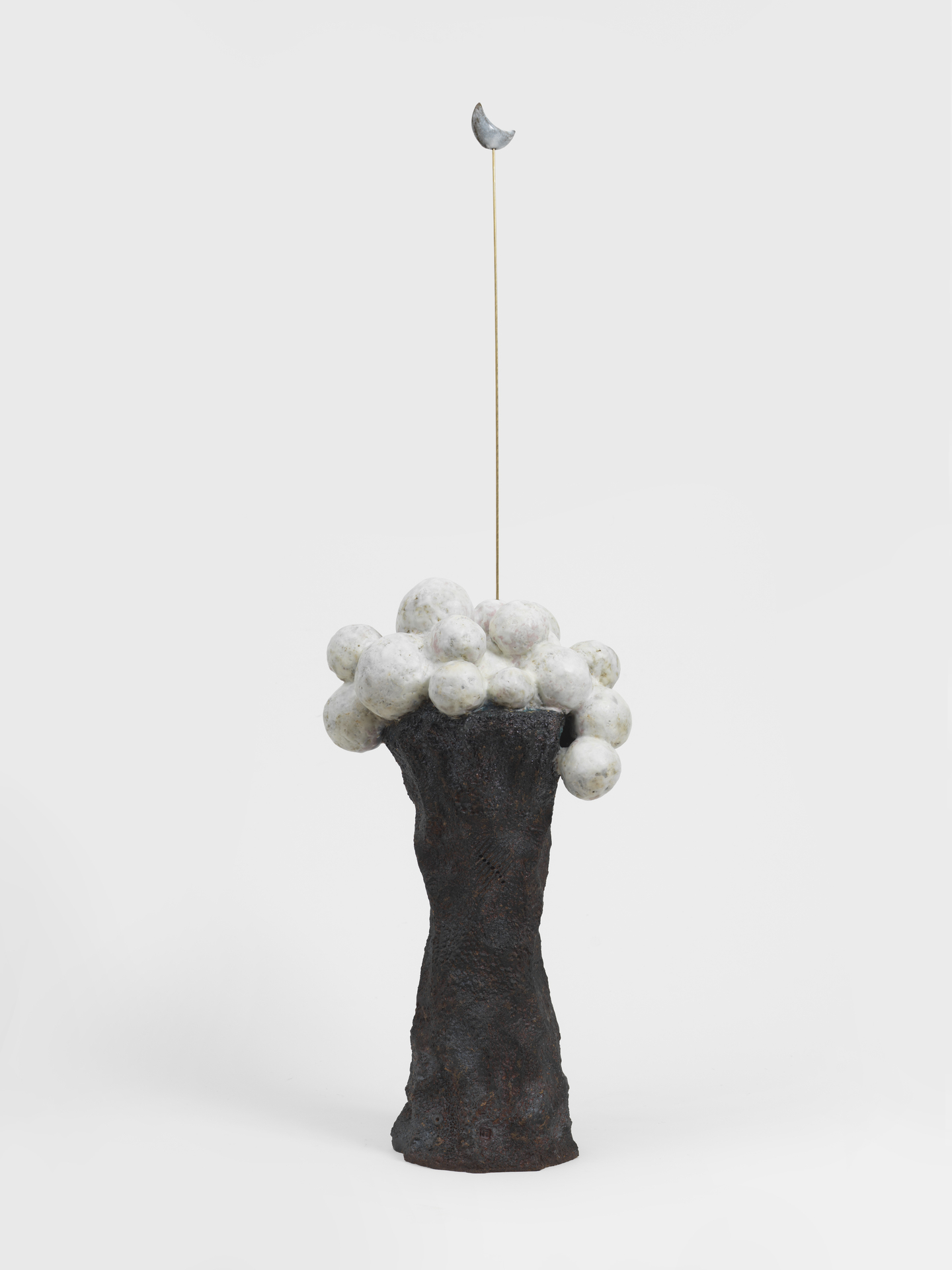
The exhibition debuts a group of new works produced during a six-week residency at SculptureSpace in New York in September and October 2025. In the United States for the first time, Yuasa was struck by the city’s red brick architecture—recognizing brick as clay shaped, fired, and repeated at an urban scale. Working with an iron-rich clay that echoes the chromatic warmth and density of masonry, Yuasa described the bricks he encountered as his “palette” for these works, translating the city’s material register into new towers, bridges, and a series titled Cabeça do Poeta [Poet’s Head]. During his residency, a first visit to the Noguchi Museum sharpened a long-held affinity with Isamu Noguchi—an engagement that began decades earlier through Brazilian art magazines, resonating with shared histories of the global Japanese diaspora. One of the sculptures he produced in New York—Elegia a Nova Iorque [Elegy to New York] (2025)—makes explicit reference to Noguchi’s sculpture Core (1978): a quiet formal echo and an offering of kinship across time and material.
Megumi Yuasa (b. 1938, São Paulo, Brazil) lives and works in São Paulo. His work has been the subject of solo exhibitions at Gomide&Co, São Paulo (2024); Galeria de Arte São Paulo, São Paulo (1987 and 1991) and Galeria Astréia, São Paulo (1973), among others. Group exhibitions featuring his work include “Diásporas asiáticas: Tocar a terra - cerâmica contemporânea nipo-brasileira,” Instituto Tomie Ohtake, São Paulo (2024); “O Curso do Sol,” Gomide&Co, São Paulo (2023); “Laços do Olhar,” Instituto Tomie Ohtake, São Paulo (2008); "Mostra Internacional Brasil-Japão," Museu de Arte de São Paulo Assis Chateaubriand - MASP, São Paulo (1998); “80 anos da Imigração Japonesa,” Museu de Arte de São Paulo Assis Chateaubriand - MASP, São Paulo (1988); and the 13th and the 14th editions of the Bienal de São Paulo (1975 and 1977), among others. Yuasa’s work is in the collection of the Carnegie Museum of Art, Pittsburgh; Pinacoteca de São Paulo, São Paulo; Museu de Arte Moderna de São Paulo, São Paulo; and the Museu de Arte Contemporânea da Universidade de São Paulo, São Paulo.
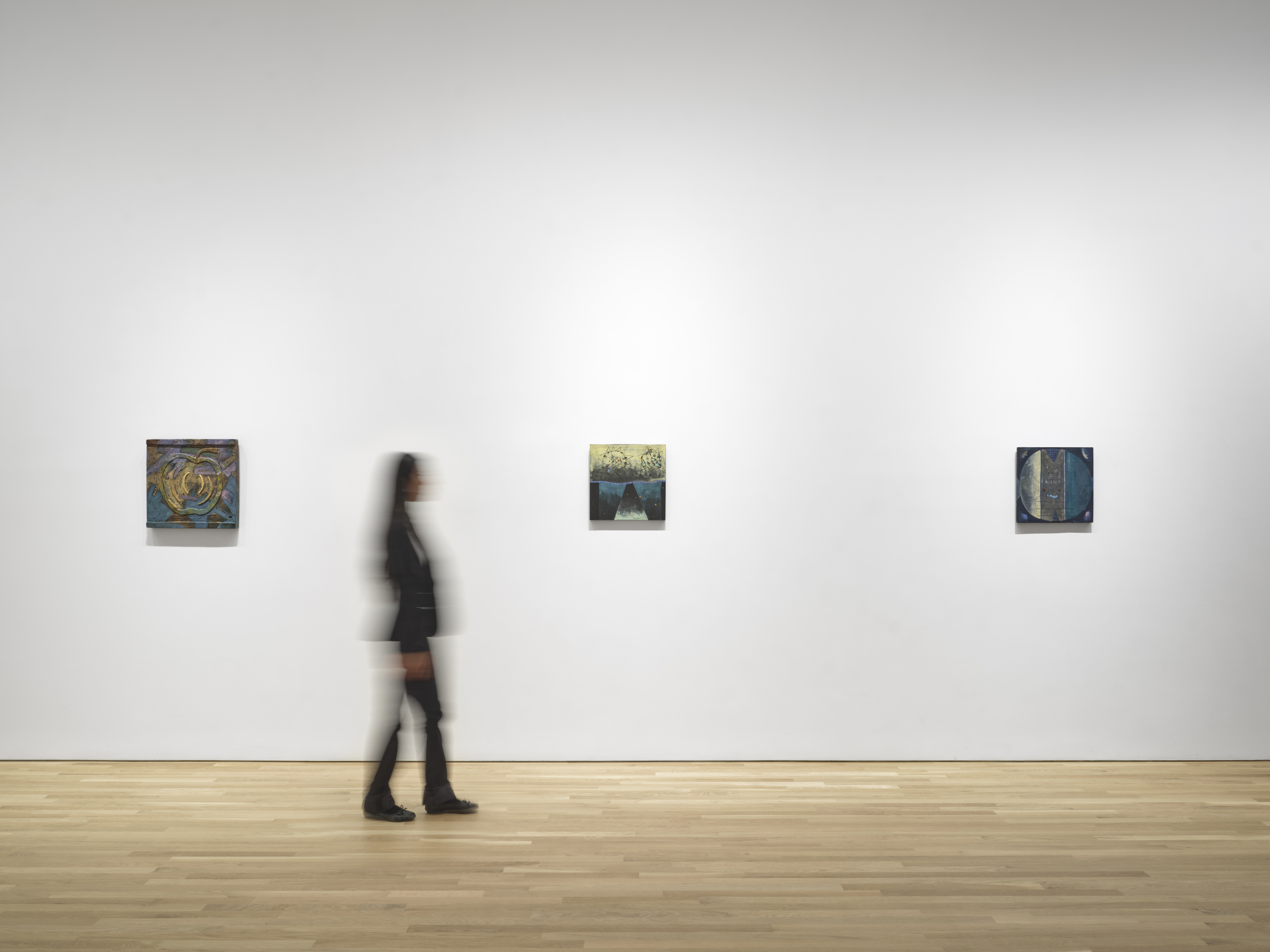
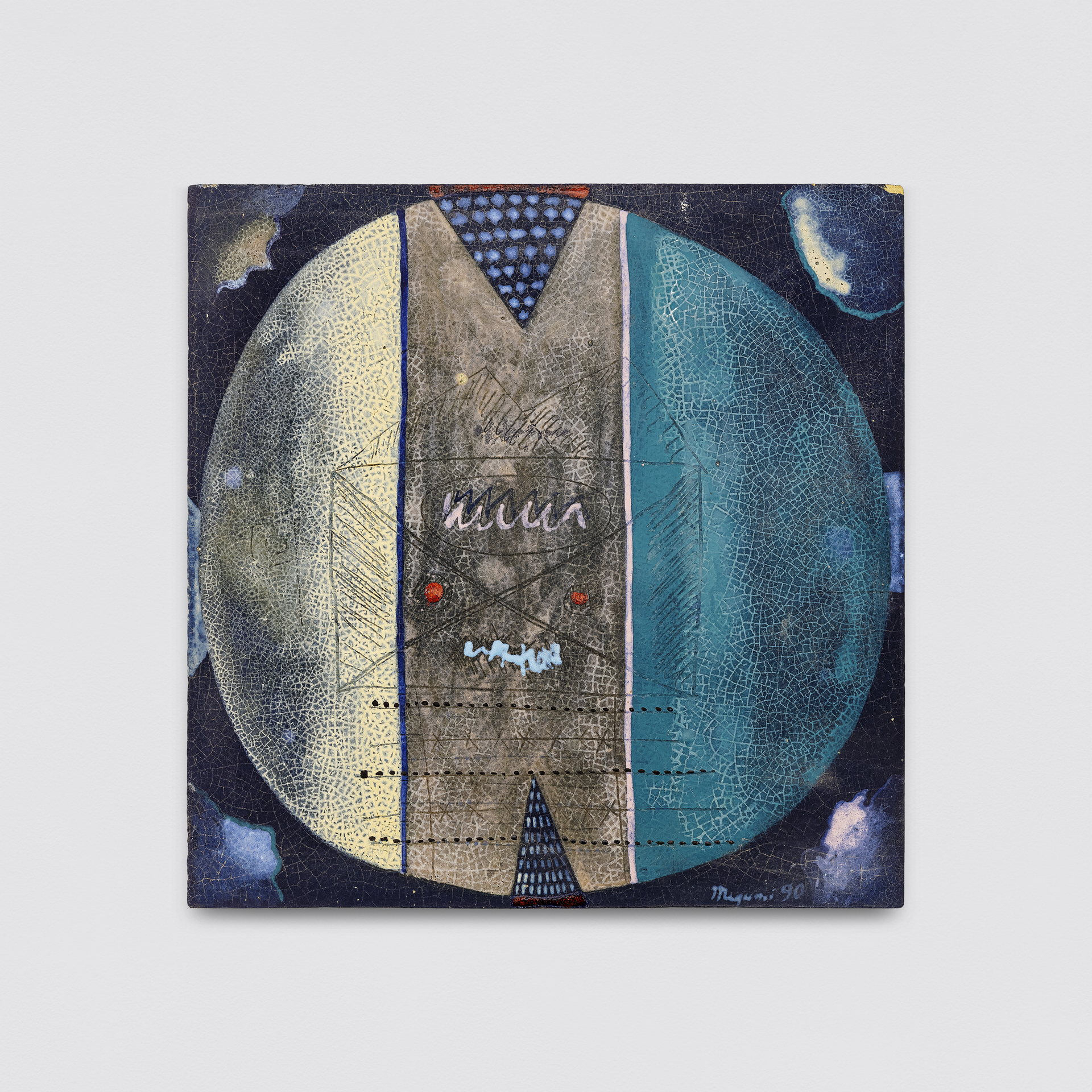
Sem título [Untitled], 1990
Glazed ceramic
16 x 16 inches (40.6 x 40.6 cm)
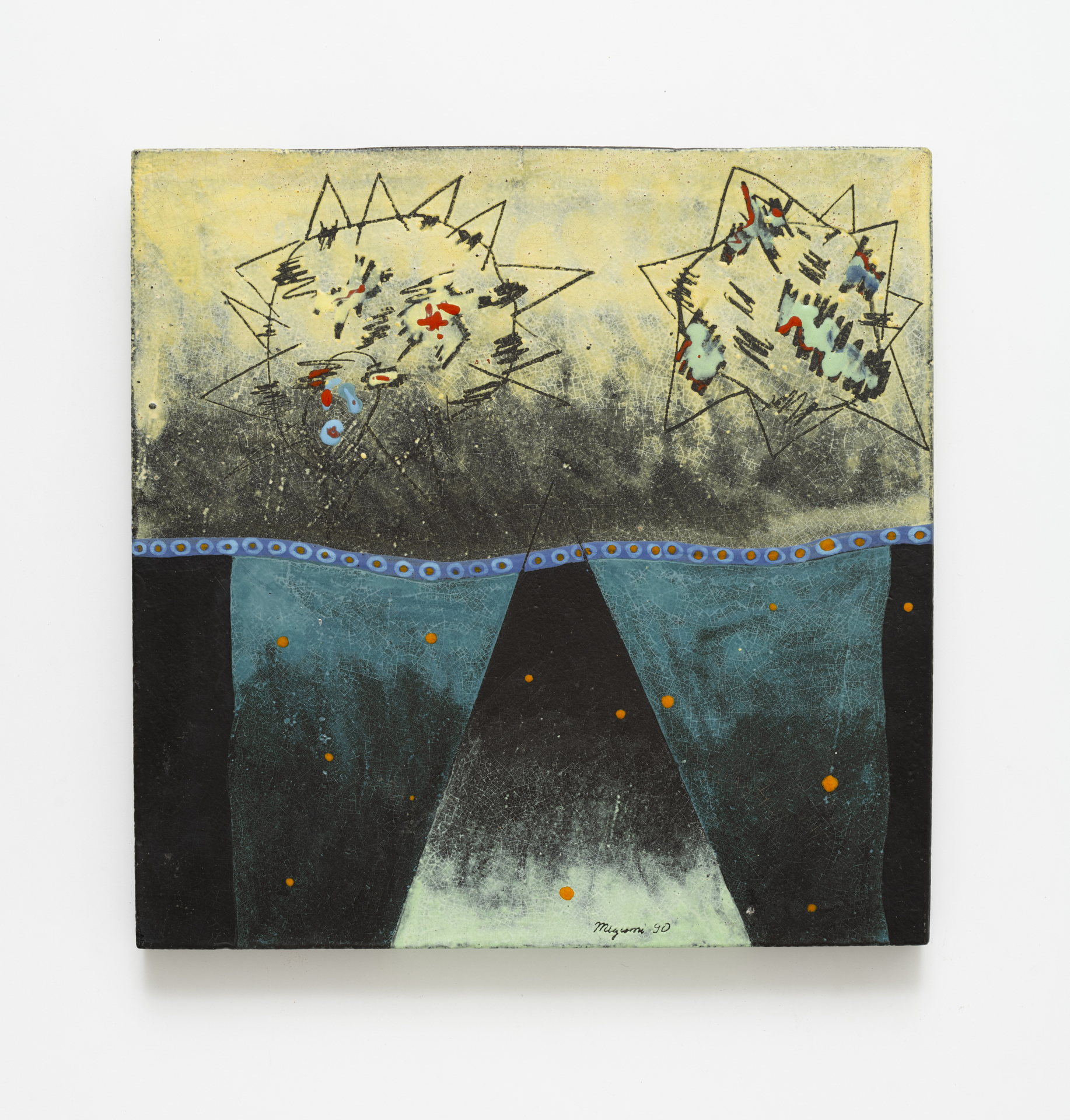
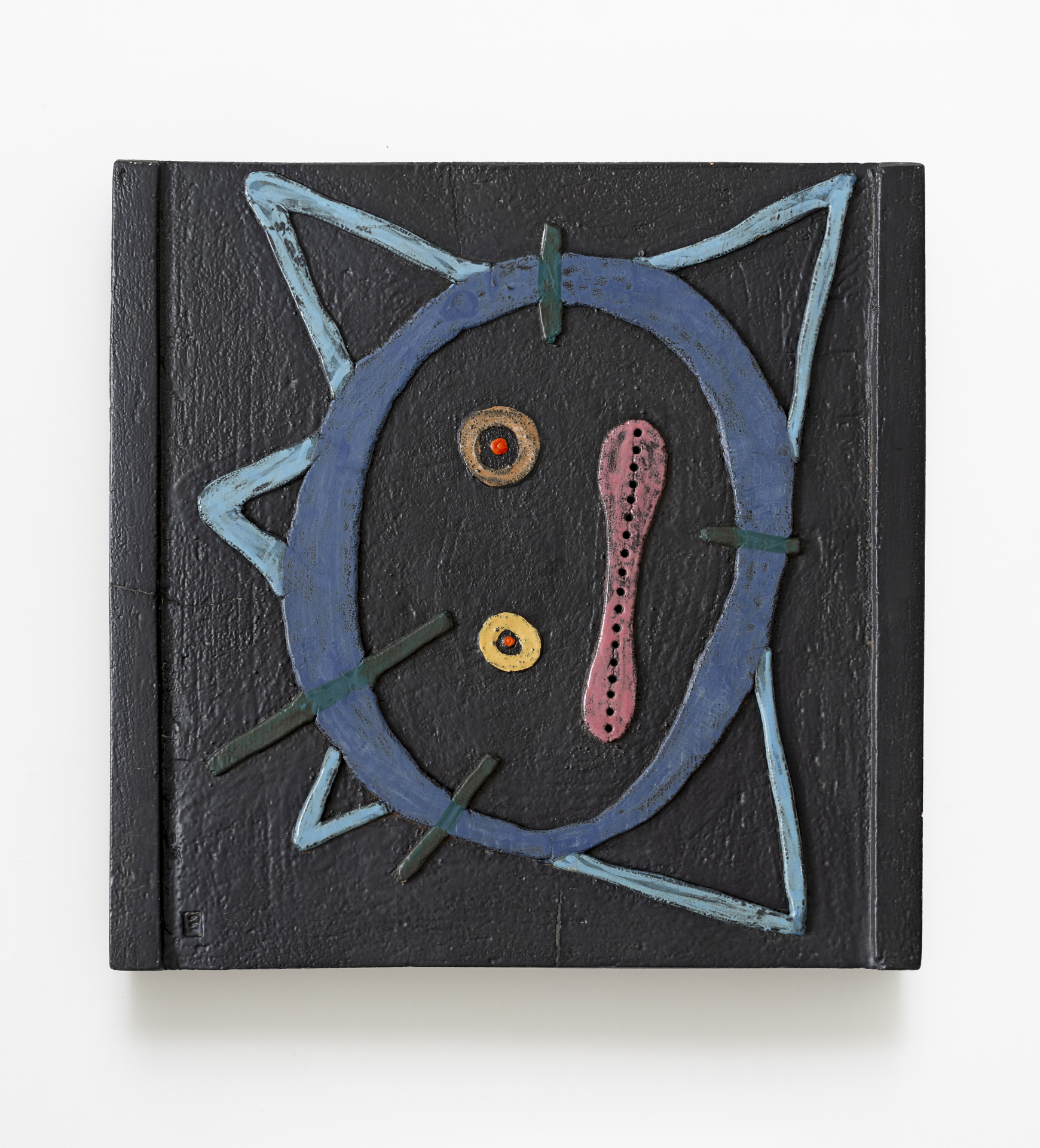
Sem título [Untitled], 1990
Glazed ceramic
16 x 16 x 1 inches (40.6 x 40.6 x 2.5 cm)
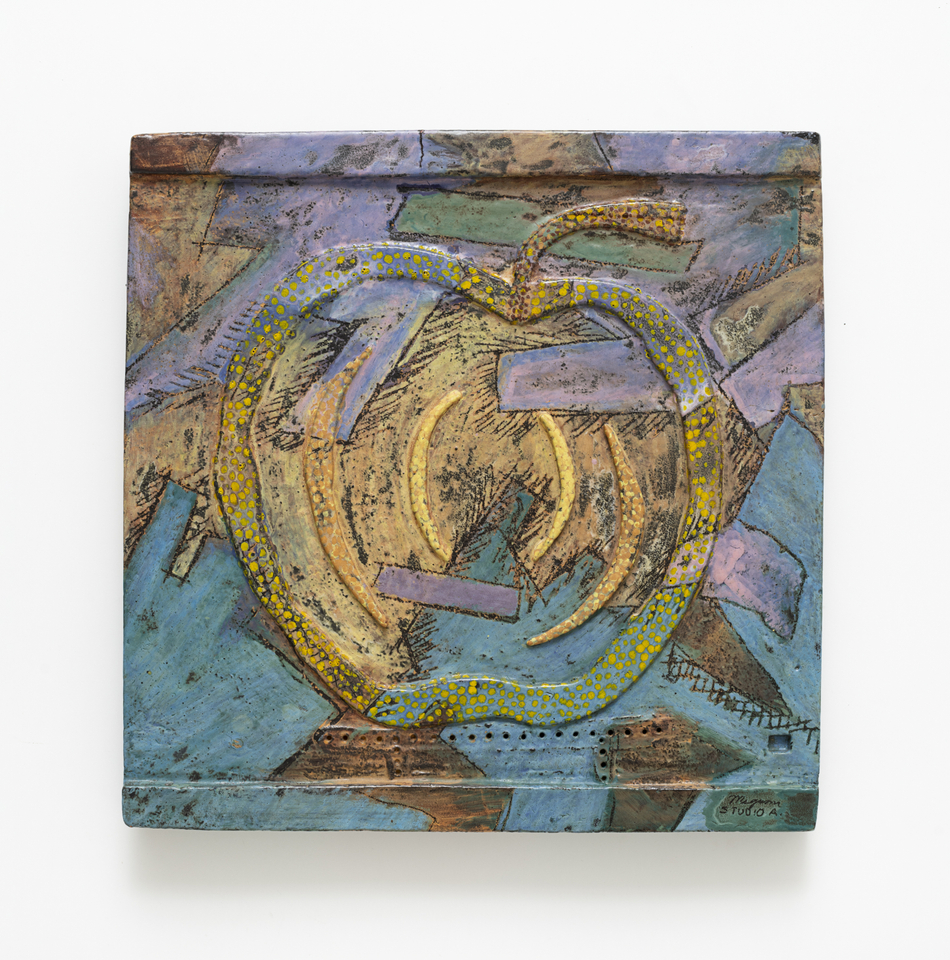
Sem título [Untitled], 1990s
Glazed ceramic
18 1/2 x 18 1/2 x 2 inches (47 x 47 x 5.1 cm)
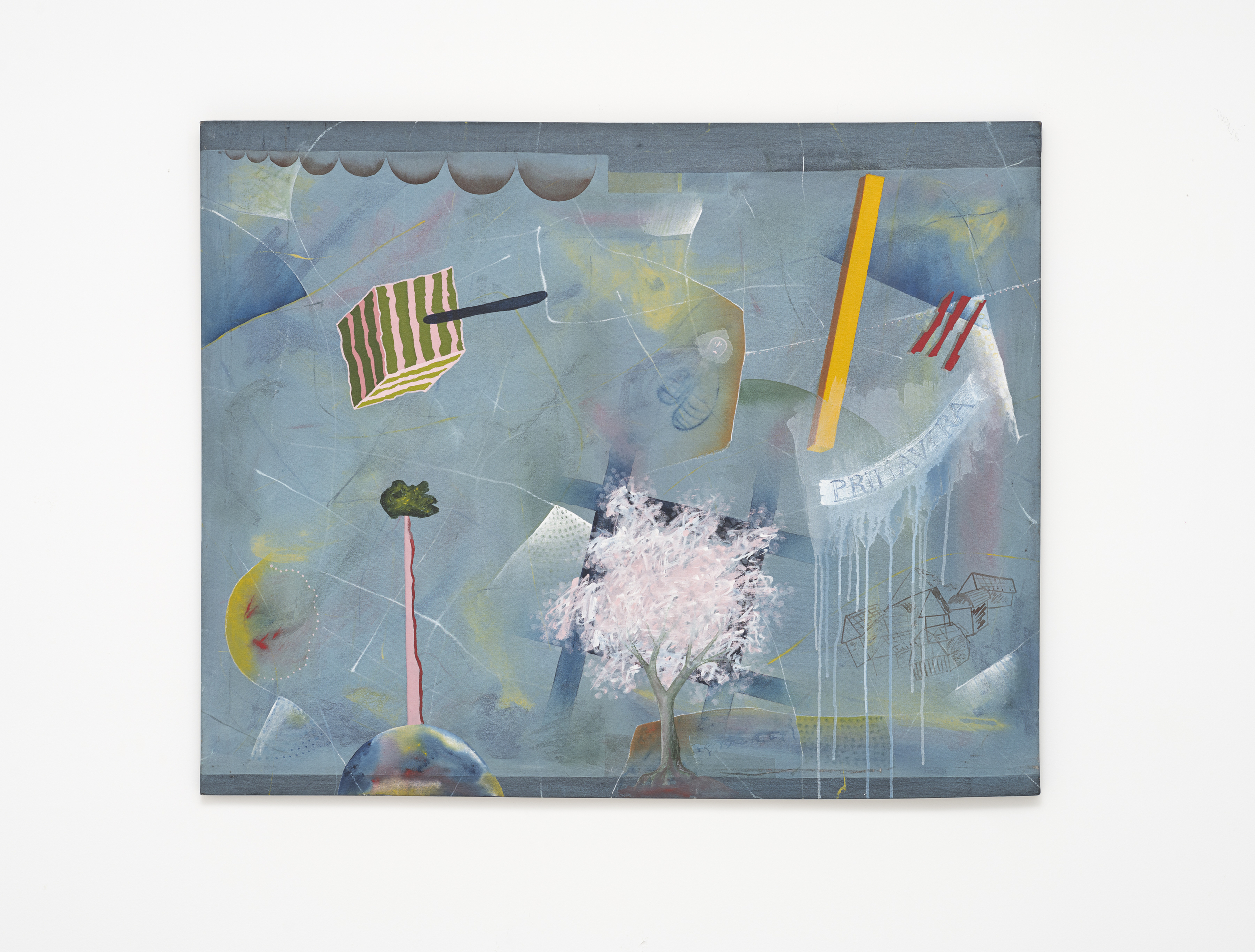
Primavera [Spring], 1994
Acrylic on canvas
43 x 54 inches (109.2 x 137.2 cm)
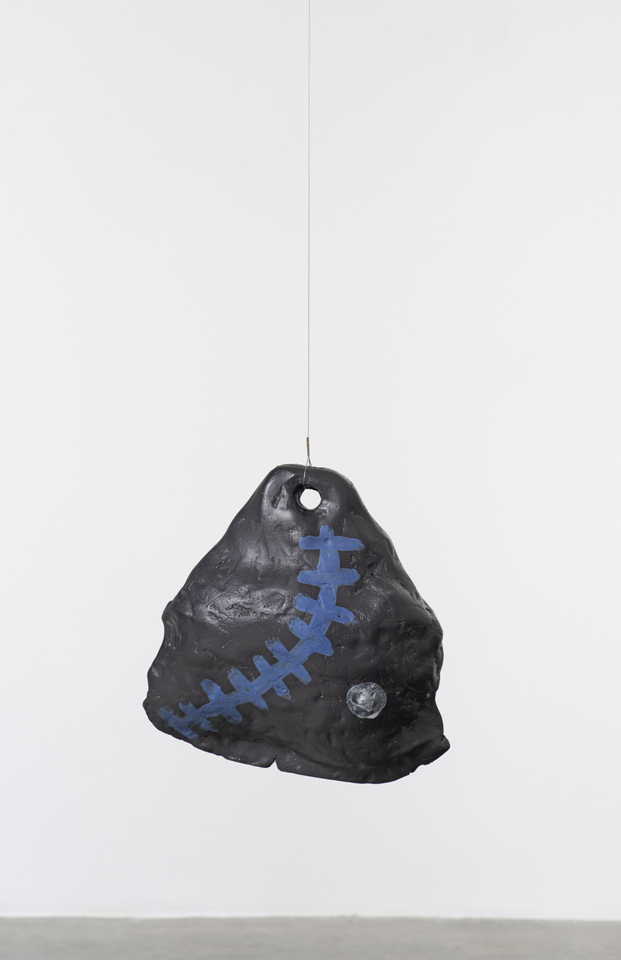
Carta ao mundo [Letter to the world], 2010
Glazed ceramic
5 x 12 1/2 x 12 inches (13 x 32 x 30 cm)
Sem título [Untitled], 1980s
Glazed ceramic, iron, aluminum, and wood
26 1/2 x 6 1/2 x 6 inches (67.3 x 16.5 x 15.2 cm)
Outro personagem [Another character], 1997
Glazed ceramic, brass, steel, lead, and bone
80 x 40 x 40 inches (203.2 x 101.6 x 101.6 cm)
Teatro do Absurdo [Theater of the Absurd], 1991
Glazed ceramic
31 x 17 1/2 x 6 1/2 inches (78.7 x 44.5 x 16.5 cm)
Paisagem [Landscape], 1995
Acrylic on glazed ceramic and glass
21 1/2 x 10 x 6 1/2 inches (54 x 26 x 17 cm)
Nuvem XI [Cloud XI], 2025
Glazed ceramic
12 1/2 x 21 1/2 x 12 1/2 inches (31.8 x 54.6 x 31.8 cm)
Tropical, 1980
Glazed ceramic, steel, stone, aluminum, iron, and brass
85 x 21 x 12 inches (215.9 x 53.3 x 30.5 cm)
Sem título [Untitled], 1990s
Glazed ceramic
18 1/2 x 18 1/2 x 2 inches (47 x 47 x 5.1 cm)
Sem título [Untitled], c. 1979
Glazed ceramic
24 3/4 x 11 x 11 inches (63 x 28 x 28 cm)
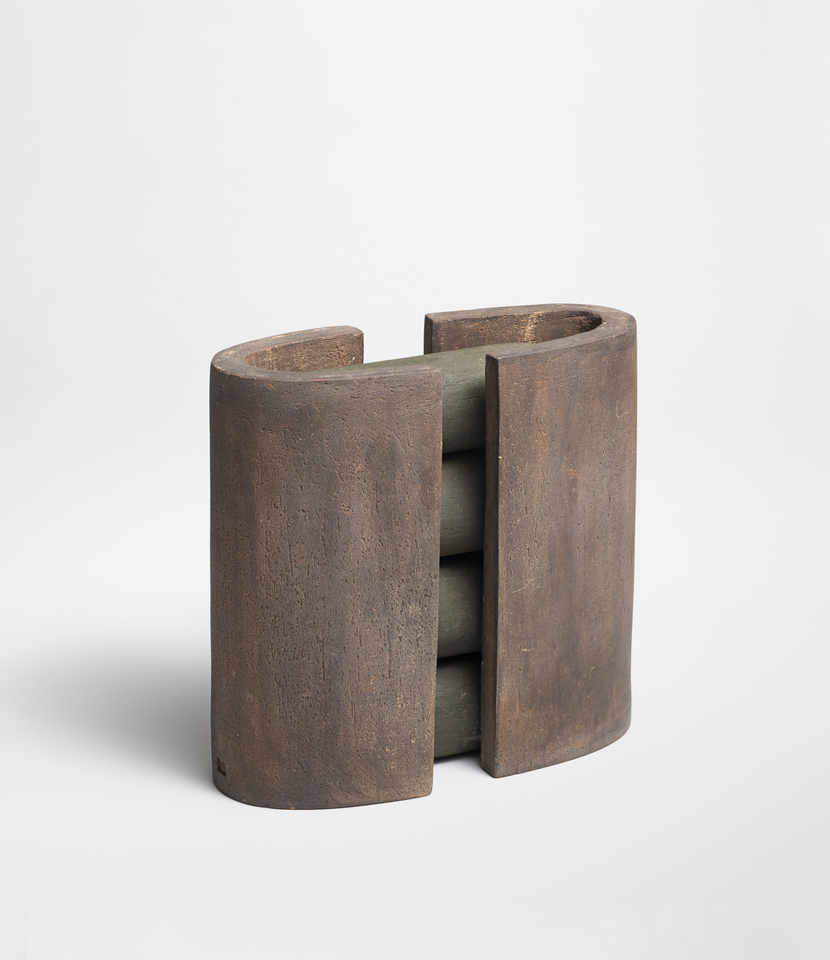
Sem título [Untitled], c. 1972
Ceramic
13 x 13 x 6 inches (33 x 33 x 15.2 cm)
Paisagem [Landscape], 1990
Acrylic on glazed ceramic, and steel
30 x 12 x 9 1/2 inches (76.2 x 30.5 x 24.1 cm)
Sem título [Untitled], 2000s
Ceramic, aluminum, iron, and steel
39 1/2 x 27 x 9 1/2 inches (100 x 68 x 23.7 cm)
Nuvem [Cloud], c. 1975
Glazed ceramic and glass
25 1/2 x 32 1/2 x 12 inches (64.8 x 82.5 x 30.5 cm)
Torre com Nuvem [Tower with Cloud], 2025
Glazed ceramic and brass
47 1/2 x 13 x 10 inches (120.7 x 33 x 25.4 cm)
Espássaro, 1995
Glazed ceramic, iron, steel, and aluminum
86 x 21 1/2 x 6 1/2 inches (218.4 x 54.6 x 16.5 cm)
Sem título [Untitled], 1980s
Glazed ceramic and iron
30 x 5 x 4 1/2 inches (76.2 x 12.7 x 11.4 cm)
Nuvem X [Cloud X], 2025
Glazed ceramic
12 1/2 x 20 1/2 x 14 1/2 inches (31.8 x 52.1 x 36.8 cm)
Sem título [Untitled], 1980s
Acrylic on ceramic, aluminum, and granite
19 1/2 x 25 x 12 inches (50 x 64 x 30 cm)
Do outro lado da ponte [Across the bridge], 1980s
Glazed ceramic, iron, and aluminum
62 1/2 x 26 1/2 x 26 1/2 inches (158.8 x 67.3 x 67.3 cm)
Personagem Sensível [Sensitive Character], 1988
Polychromed iron and glazed ceramic
86 5/8 x 27 1/2 x 15 3/4 inches (220 x 70 x 40 cm)
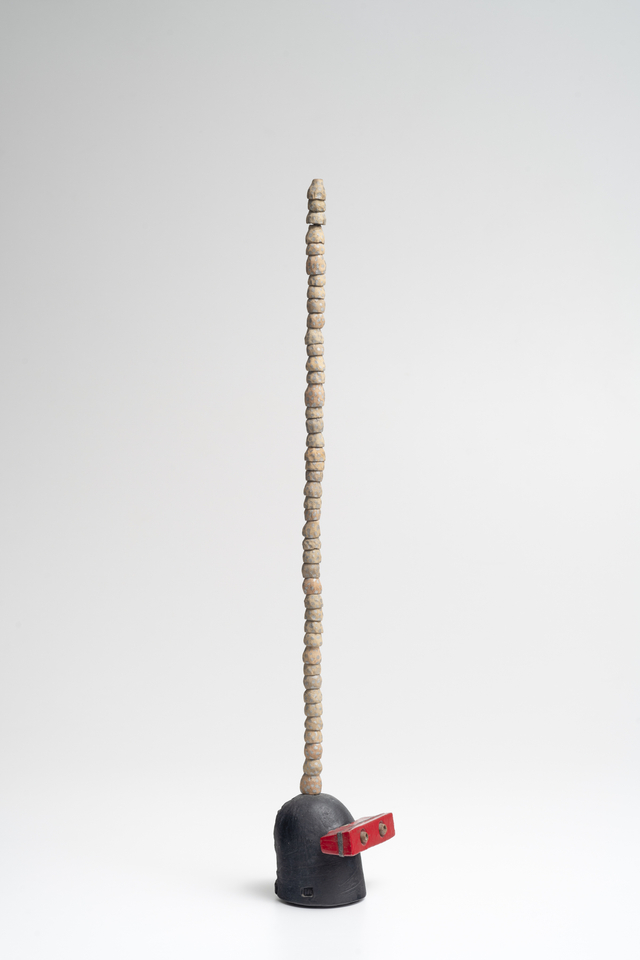
Cabeça do Poeta III [Poet's Head III], 2025
Glazed ceramic and brass
25 1/2 x 16 1/4 x 7 inches (64.8 x 41.3 x 17.8 cm)
Cabeça do Poeta I [Poet's Head I], 2025
Glazed ceramic and brass
24 1/2 x 21 x 11 inches (62.2 x 53.3 x 27.9 cm)
Cabeça do Poeta II [Poet's Head II], 2025
Glazed ceramic and brass
27 1/2 x 15 x 7 inches (69.8 x 38.1 x 17.8 cm)