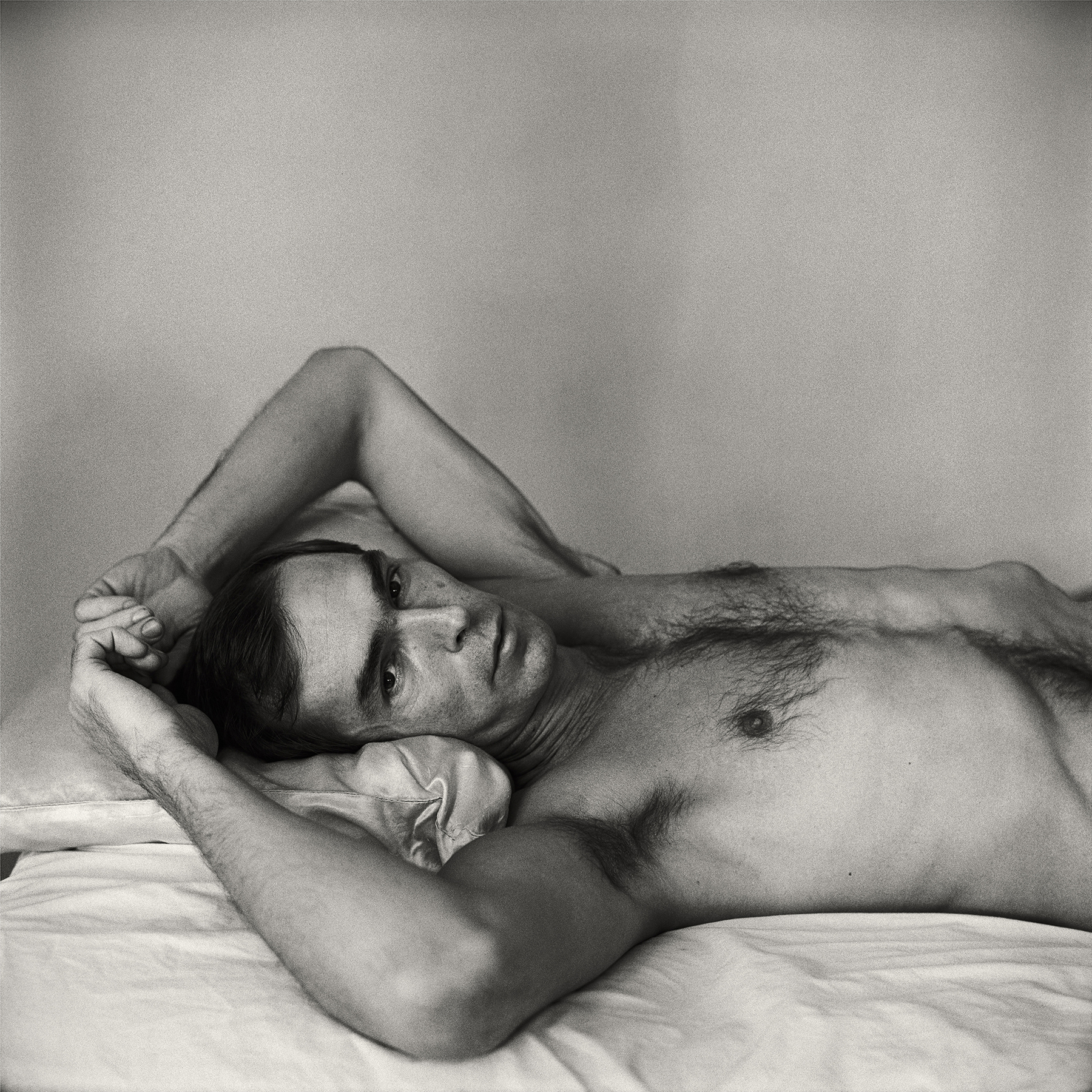
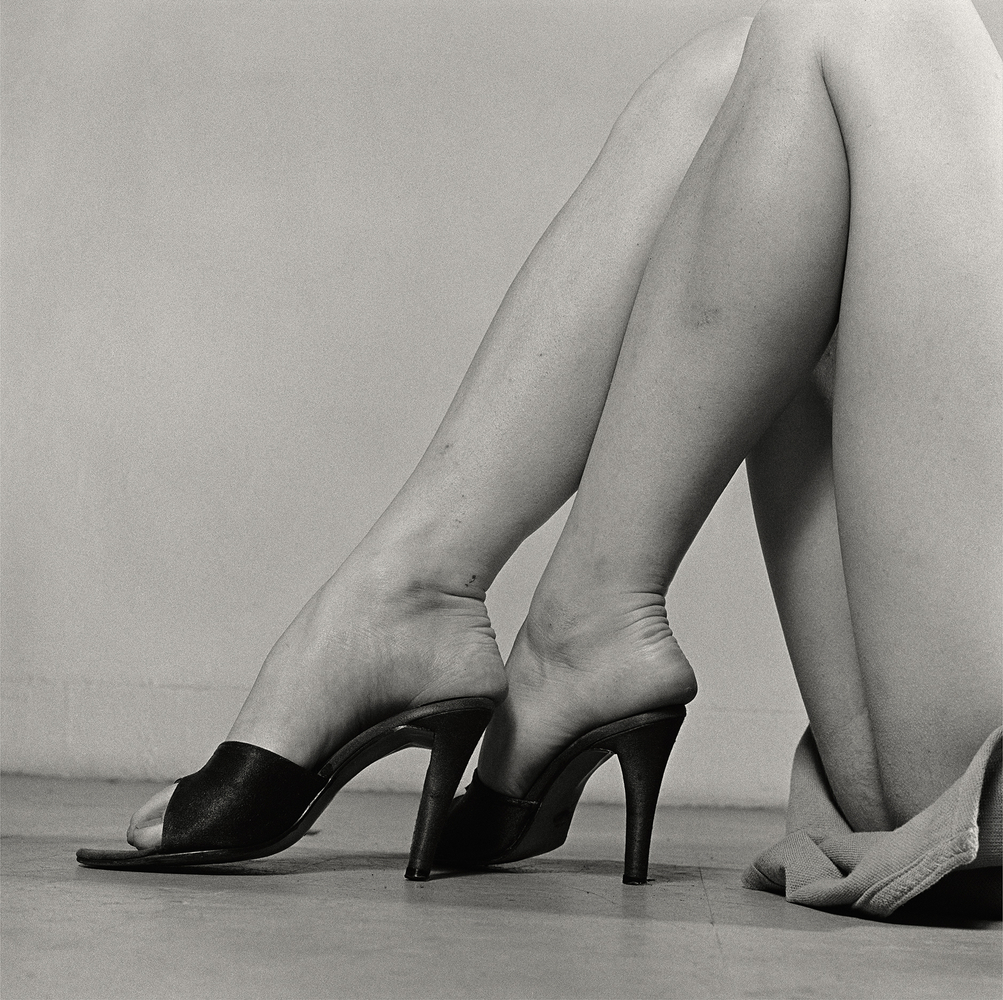
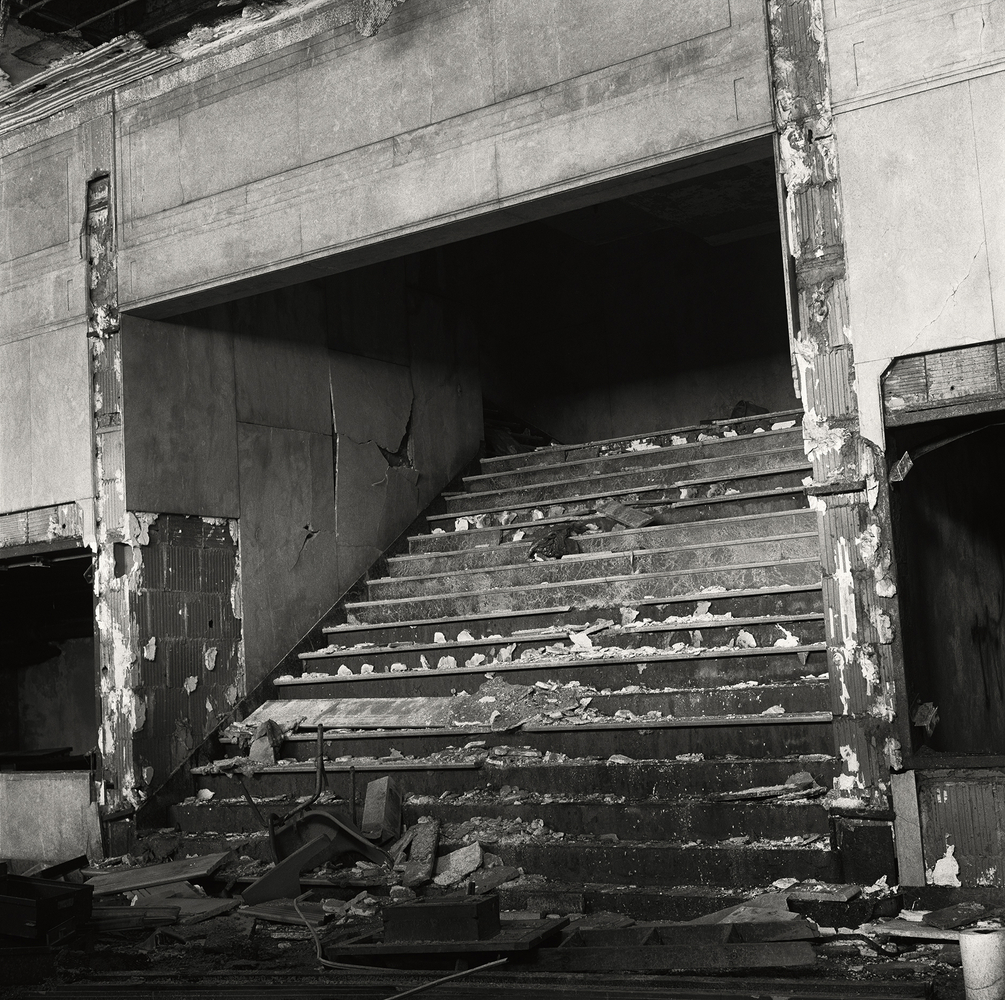
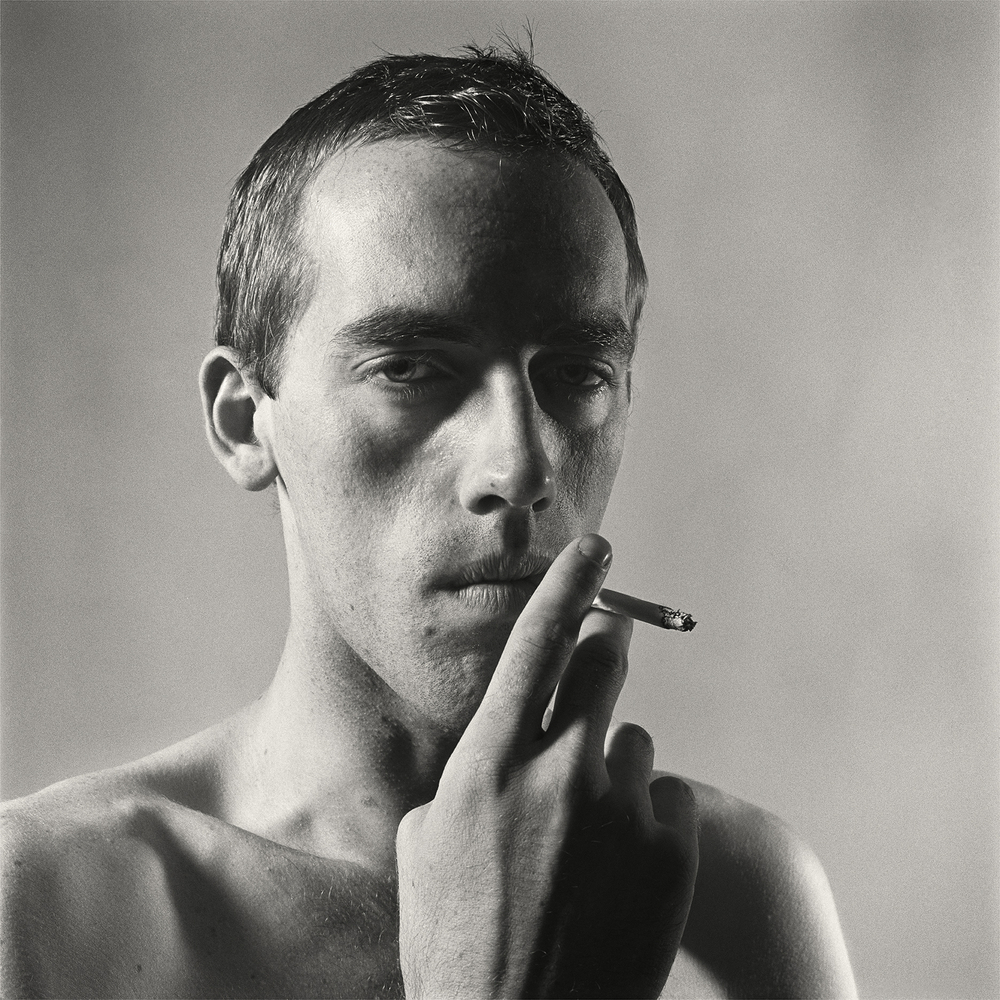
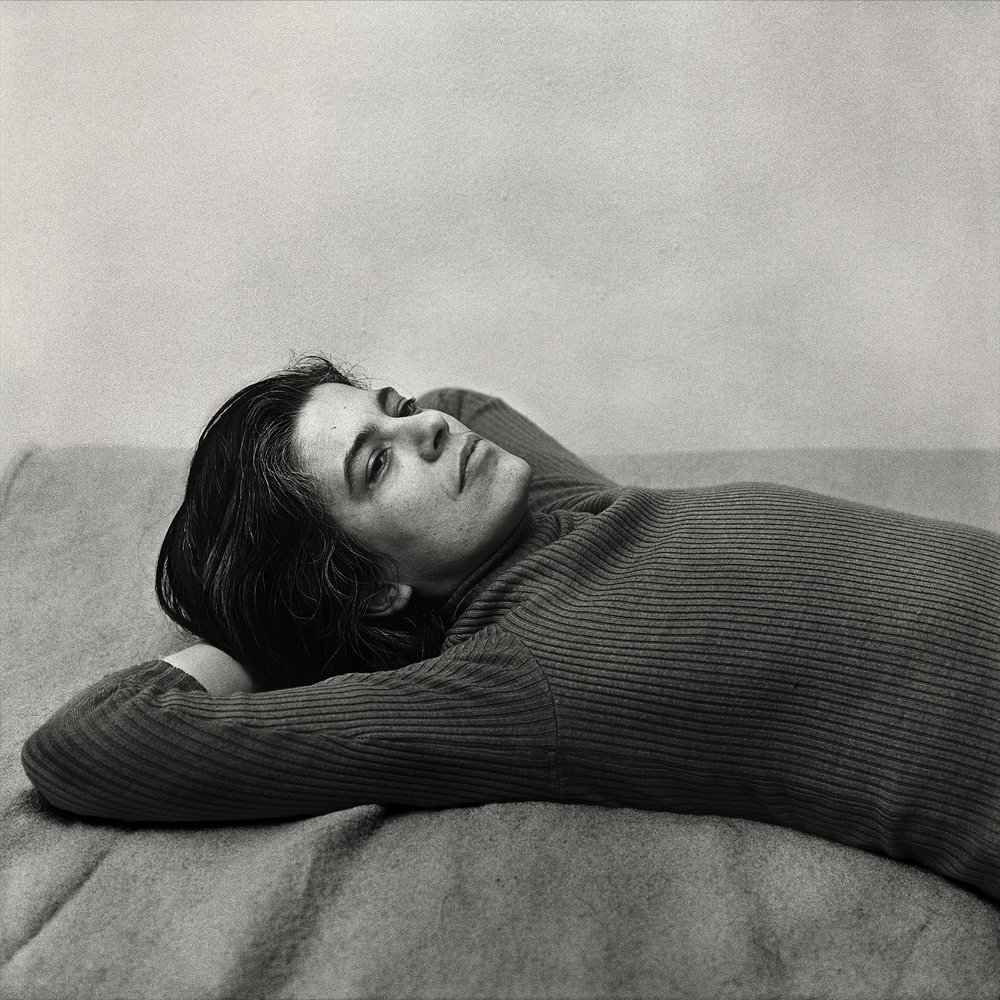
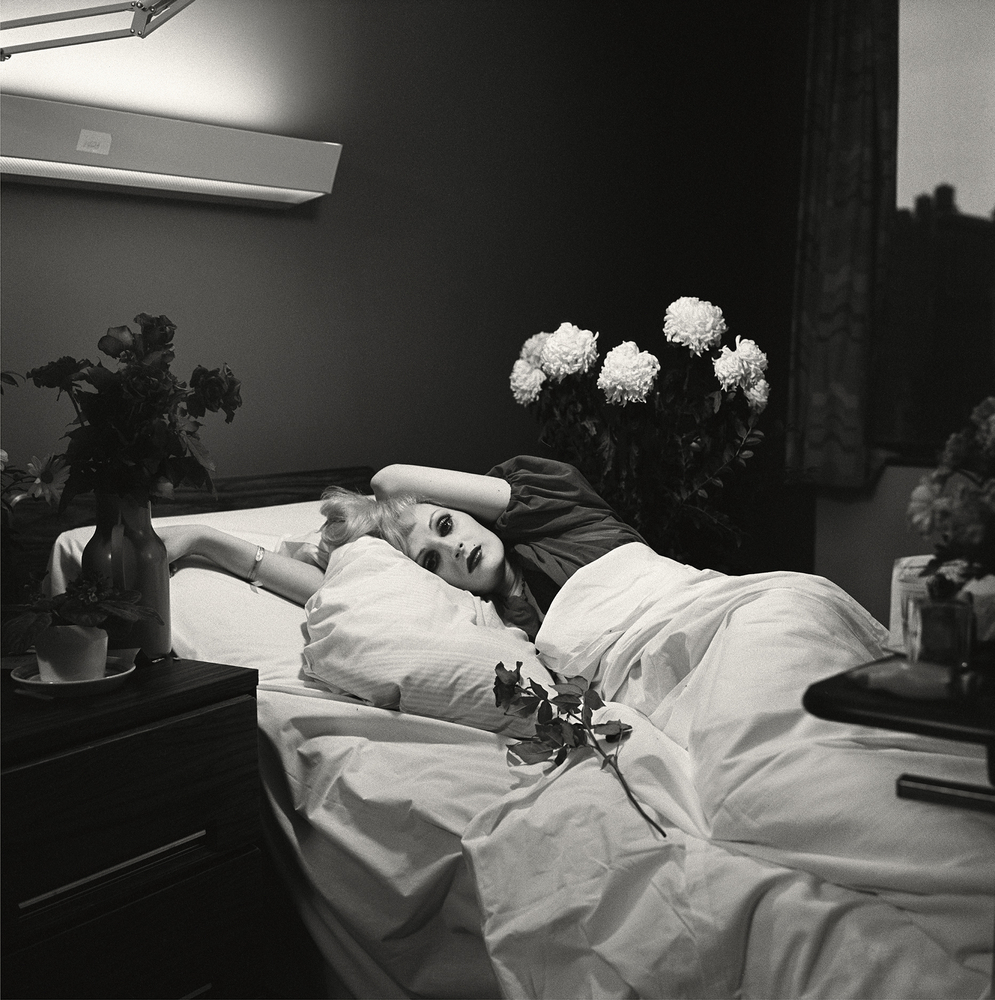
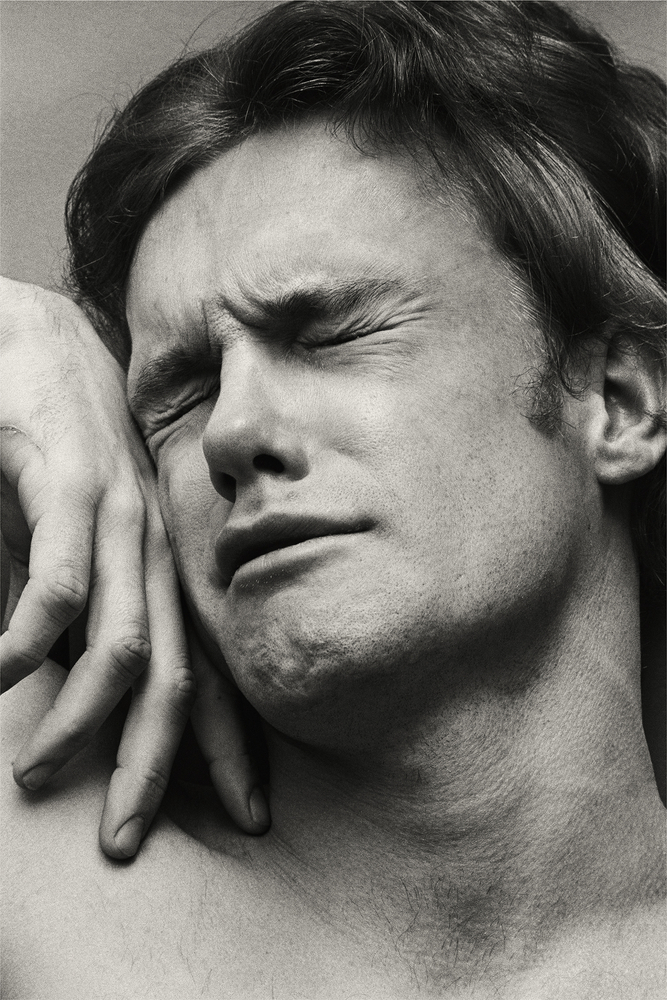
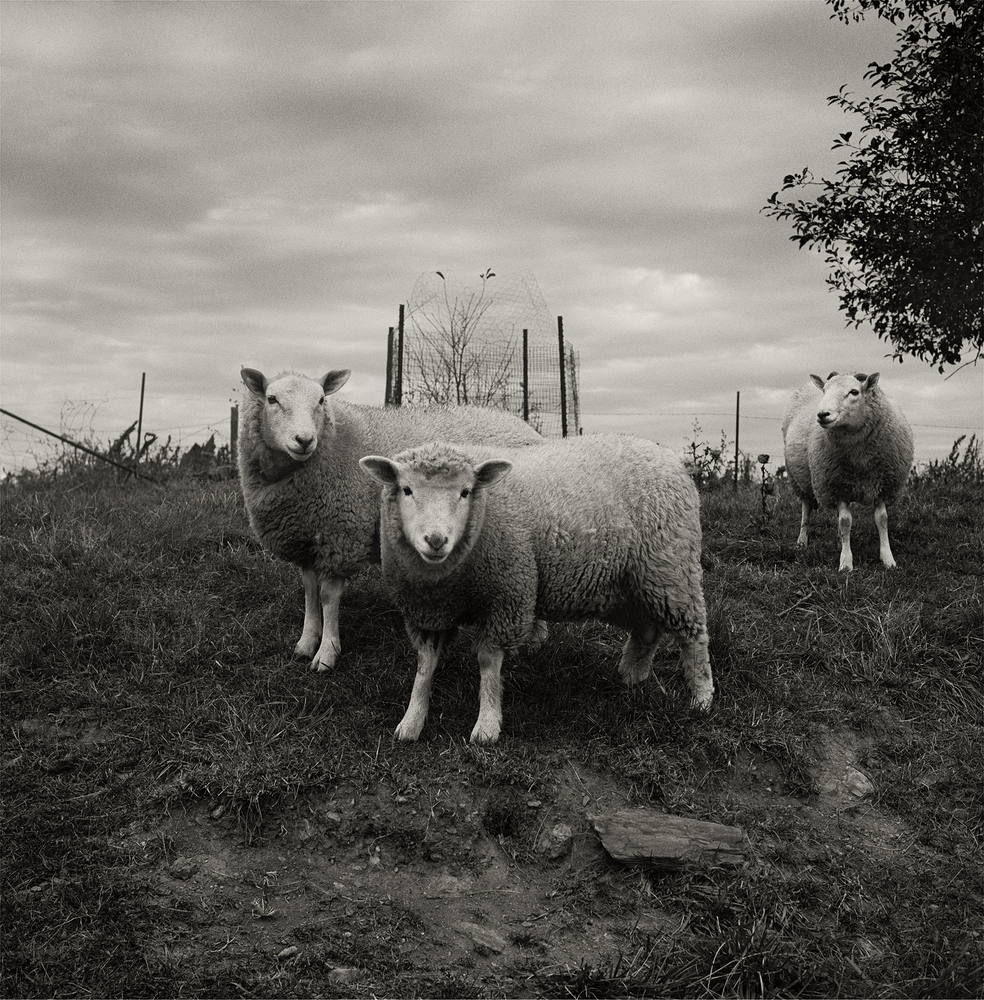
Peter Hujar was an American photographer who made, as he put it, “uncomplicated, direct photographs of complicated and difficult subjects.” Celebrated for his powerful black-and-white portraits of artists, writers, performers, and other figures who shaped downtown New York in the 1970s and ‘80s, his work moves fluidly between portraiture and images of, eroticism, performance, city scenes, animals, and stark landscapes. Hujar’s images are marked by psychological precision, tonal rigor, and a rare capacity for empathy without sentimentality. “My work comes out of my life,” Hujar once said. “The people I photograph are not freaks or curiosities to me. I like people who dare.” Working with a deep sensitivity to human experience, he made pictures that register vulnerability, erotic charge, and mortality with unusual clarity.
Born in Trenton, New Jersey, Hujar was raised by his mother and Ukrainian grandparents on their farm in Ewing Township, New Jersey. In 1946, he and his mother moved to New York City; he received his first camera in 1947. Four years later, at the age of sixteen, Hujar left an abusive home and began living independently in the East Village, where he would remain for the rest of his life. He studied at the School of Industrial Arts (now the High School of Art and Design), where the poet and teacher Daisy Aldan recognized his gifts and encouraged his pursuit of photography.
In 1958, he traveled to Italy alongside the artist Joseph Raffael during Raffael’s Fulbright scholarship, an experience that proved formative. Returning to New York, Hujar spent the early 1960s apprenticing in commercial photography studios, including that of the advertising photographer Harold Kreiger.
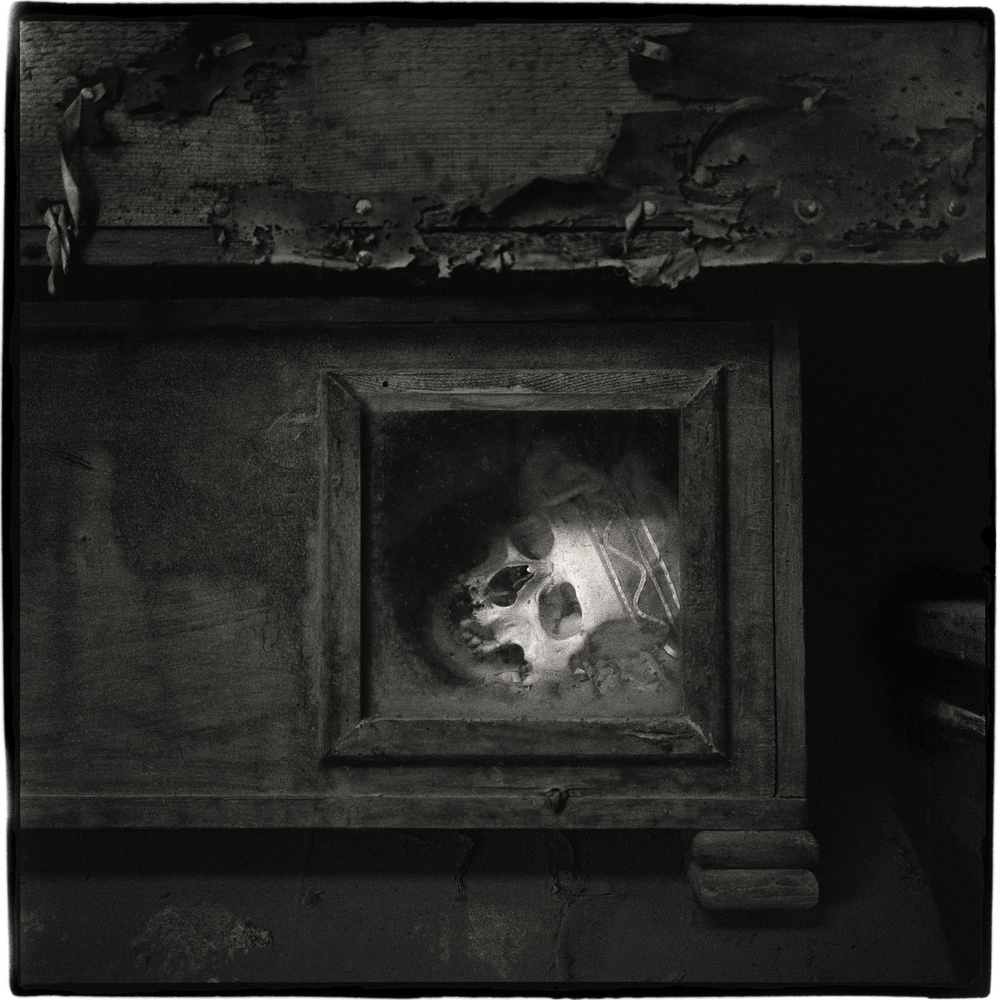
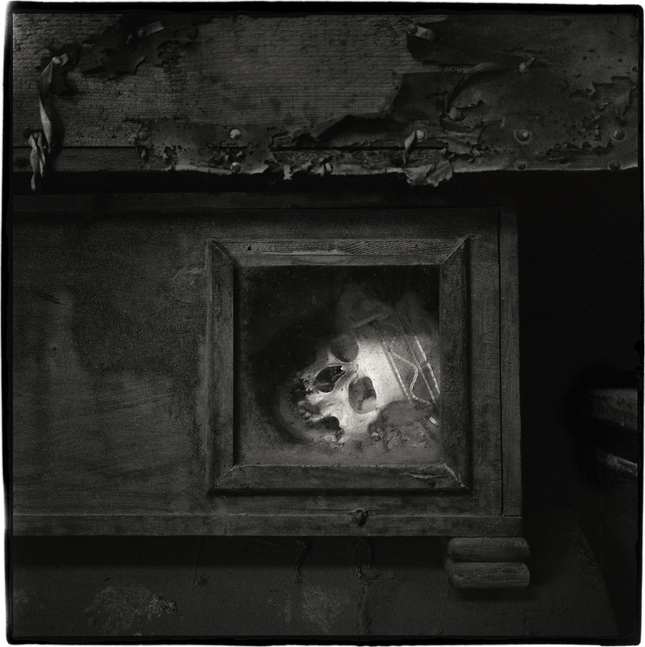
In 1963, Hujar received his own Fulbright and returned to Italy with the artist Paul Thek, with whom he had been in a relationship since 1959. While there, he explored and photographed the Capuchin Catacombs of Palermo—images he would later pair with portraits in his landmark book Portraits in Life and Death (1976), with an introduction by his friend Susan Sontag. Around the same time, he became part of a wide-ranging, avant-garde world of art, music, dance, and drag performance. He sat for Andy Warhol’s Screen Tests in 1964, and appeared in the compilation film The Thirteen Most Beautiful Boys. In 1967, he enrolled in Richard Avedon and Marvin Israel’s Master Class, a weekly seminar taught by Avedon and the art director Marvin Israel. His success in the program led to assignments from Harper’s Bazaar, GQ, and other publications, which helped to refine Hujar’s artistic approach. The experience also placed him in dialogue with artists he admired––among them Avedon, Alexey Brodovitch, and Diane Arbus––who became lasting influences.
Hujar’s mature career unfolded in the decades between Stonewall and the AIDS crisis. From his East Village loft studio, Hujar photographed the distinguished coterie who made up his chosen world—among them Sontag, Fran Lebowitz, William S. Burroughs, John Waters, Divine, Candy Darling, Ray Johnson—alongside images made in the streets, theaters, and waterfront zones of New York. Hujar insisted on the singularity of each subject, and he printed his photographs with meticulous control, shaping each image into a self-contained object of presence and feeling. Hujar remained deeply committed to the medium throughout his life: a master printer, he exercised meticulous control in the darkroom—dodging, burning, bleaching, spotting, adjusting contrast—to shape how an image unfolds for the viewer.
In 1980, Hujar met the young artist David Wojnarowicz, and after a brief romantic relationship, Wojnarowicz became a close friend and protégé, forming one of the most significant artistic and personal bonds of Hujar’s later life. In 1986, Hujar presented seventy square photographs hung two-high in long rows at Gracie Mansion Gallery in the East Village—an exhibition that freely mixed genres and remains a touchstone for understanding how he thought about sequencing and association. Hujar’s life ended abruptly in 1987. Diagnosed with AIDS in January of that year, he died in November at the age of fifty-three, surrounded by friends.
Over the past decade, Peter Hujar’s work has been the subject of renewed popular, institutional, and scholarly attention. In late 2024, Liveright published the first reissue of Portraits in Life and Death, with a newly commissioned text by Benjamin Moser. Recent publications have further examined Hujar’s life and collaborations, including Paul Thek & Peter Hujar: Stay Away From Nothing, edited by Francis Schictel (Primary Information, 2025), and Andrew Durbin’s forthcoming biography The Wonderful World That Almost Was: A Life of Peter Hujar and Paul Thek (FSG, 2026). Peter Hujar’s Day, a feature film directed by Ira Sachs and starring Ben Whishaw and Rebecca Hall, opened in late 2025 and draws on a rediscovered 1974 interview transcript by Linda Rosenkrantz, first published by Magic Hour Press in 2021.
Peter Hujar (b. 1934, Trenton, New Jersey; d. 1987, New York) has been the subject of recent major institutional exhibitions “Peter Hujar: Eyes Open in the Dark,” Raven’s Row, London and Bundeskunsthalle, Bonn, Germany (2025–2026); “Peter Hujar: Performance and Portraiture,” The Art Institute of Chicago, Chicago and Centro Pecci, Prato, Italy (2024–2025); “Peter Hujar: Portraits in Life and Death” as a collateral event of the 60th International Art Exhibition – La Biennale di Venezia, Venice, Italy (2024); “Peter Hujar: Rialto,” The Ukrainian Museum, New York (2024); and “Peter Hujar: Speed of Life,” The Morgan Library and Museum, New York, Fundación MAPFRE, Madrid, and Galerie Nationale du Jeu de Paume, Paris (2018–2020). In 2013, the Morgan made the landmark acquisition of Hujar’s papers, 100 photographic prints, and 5,783 black-and-white contact sheets.
His works are held in prominent museum collections worldwide, including the Art Gallery of Ontario, Toronto, Ontario; the Art Institute of Chicago, Chicago; Fotomuseum Winterthur, Winterthur, Switzerland; The Metropolitan Museum of Art, New York; The Morgan Library & Museum, New York; the Museum of Fine Arts, Boston; the Museum of Modern Art, New York; the San Francisco Museum of Modern Art, San Francisco; Tate, London; and the Whitney Museum of American Art, New York, among others.
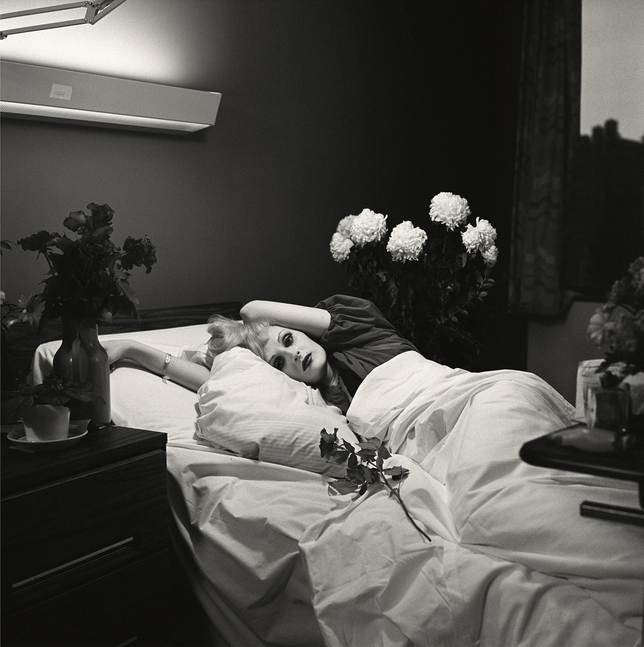
Candy Darling on Her Deathbed, 1973
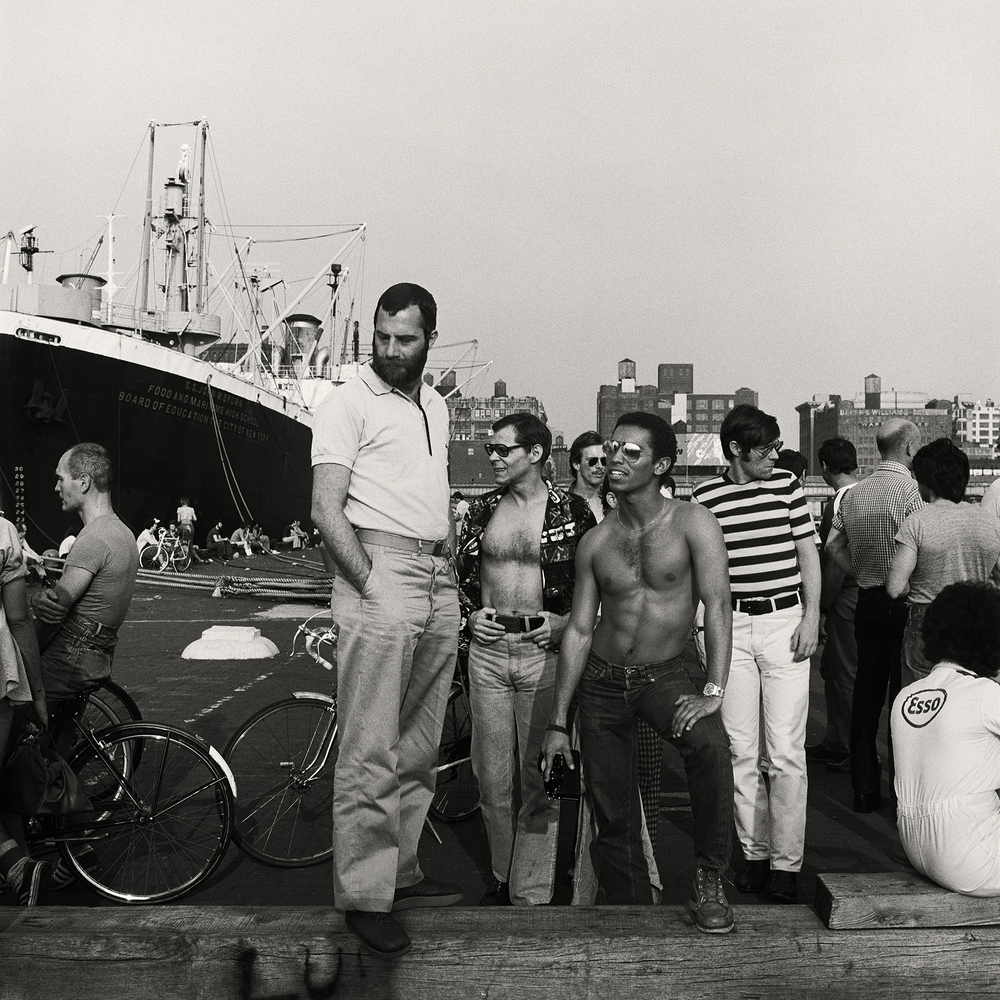
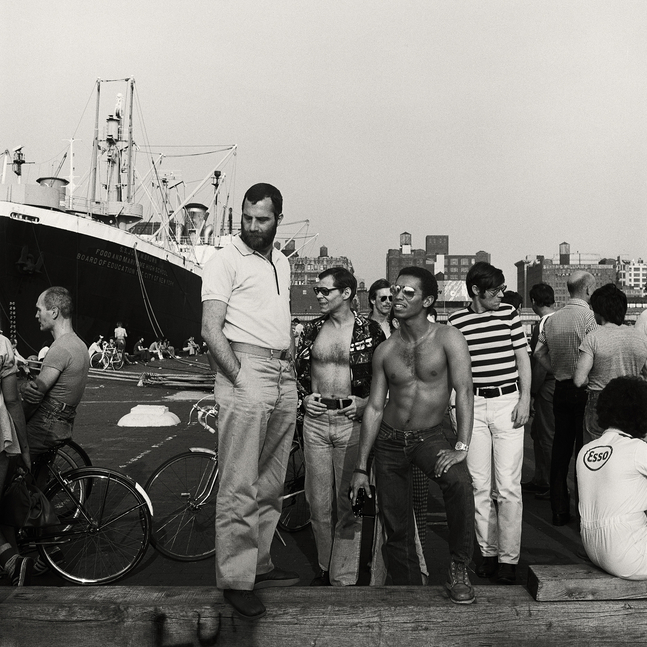
Christopher Street Pier #4, 1976
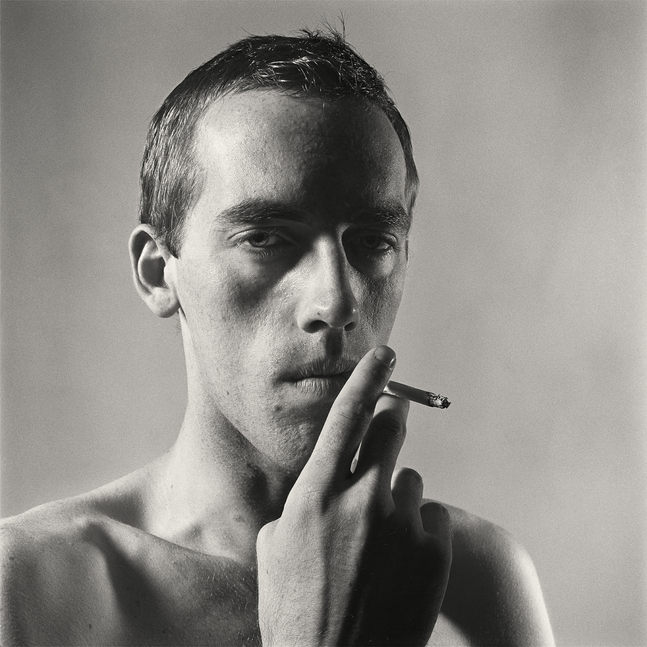
David Wojnarowicz Smoking, 1981
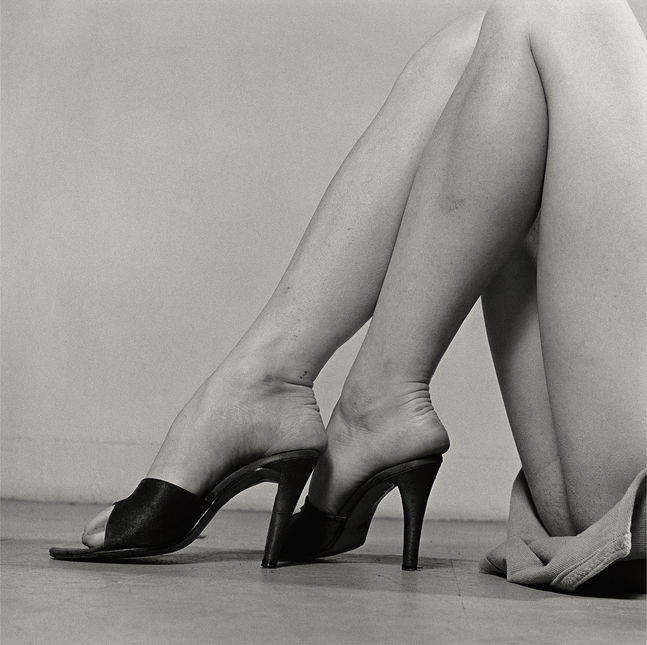
Greer Lankton's Legs, 1983
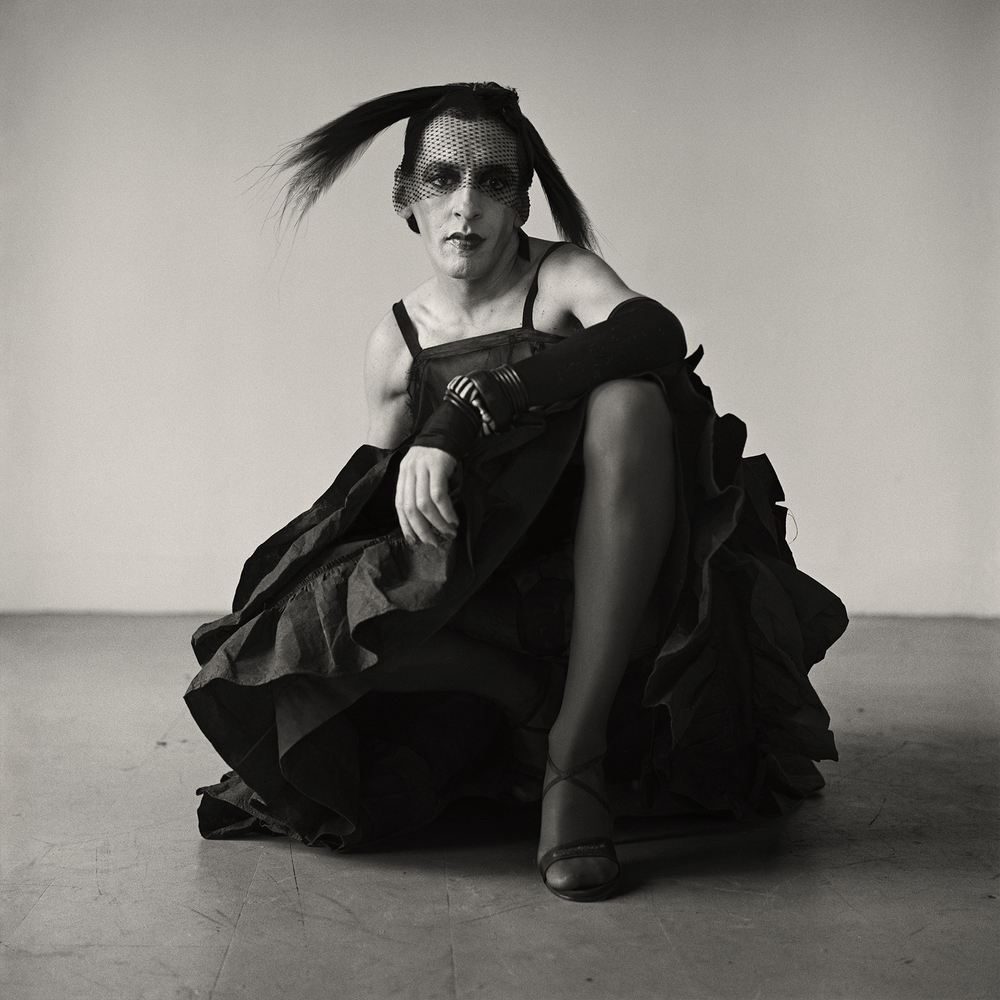
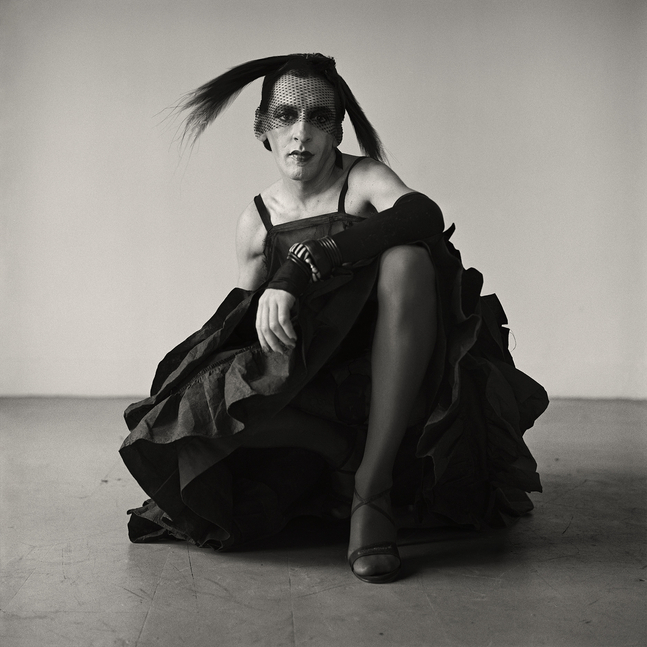
John Heys in Lana Turner's Gown (III), 1979
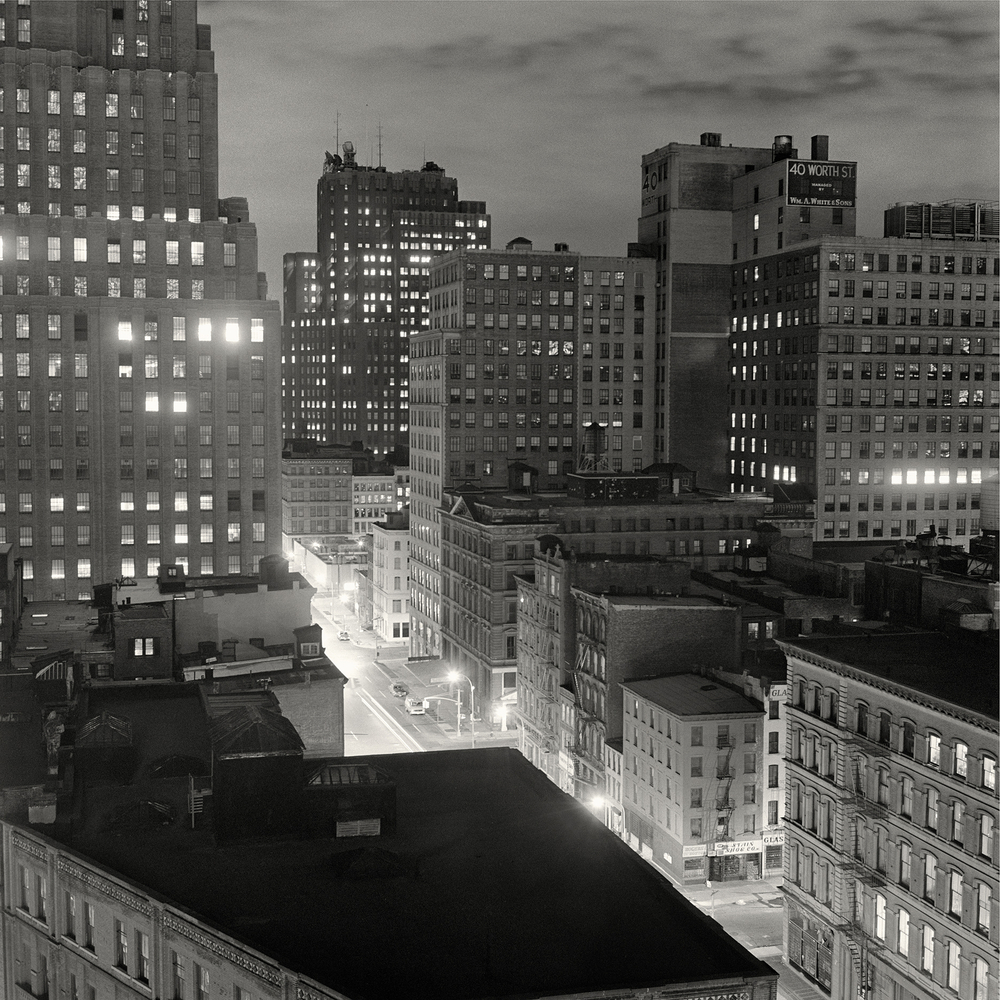
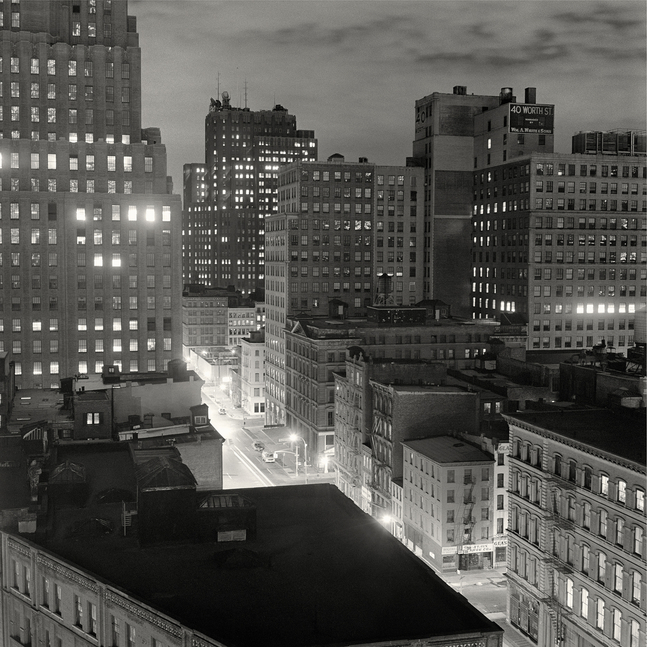
Night, Downtown, 1976
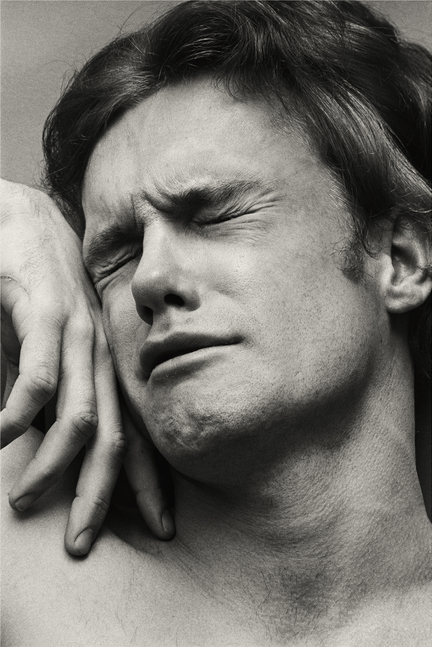
Orgasmic Man, 1969
Palermo Catacombs #8 (Skull in Window), 1963
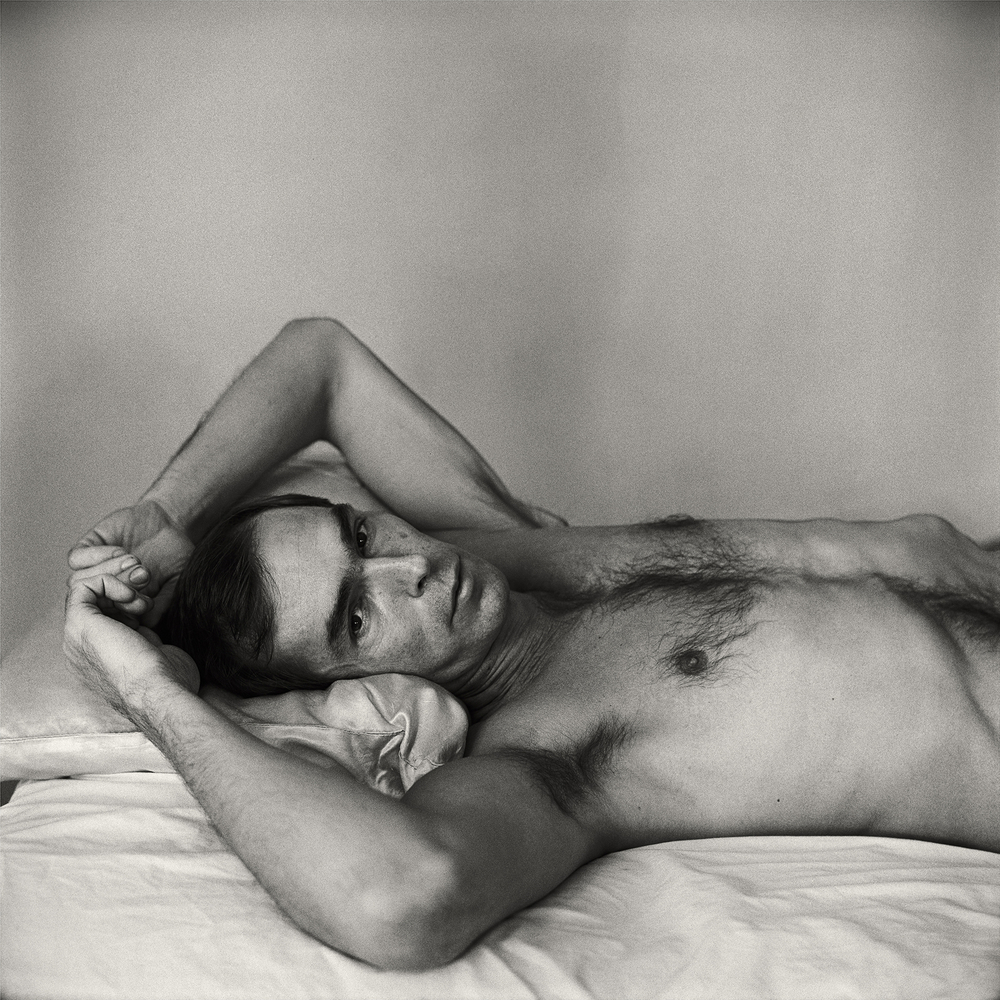
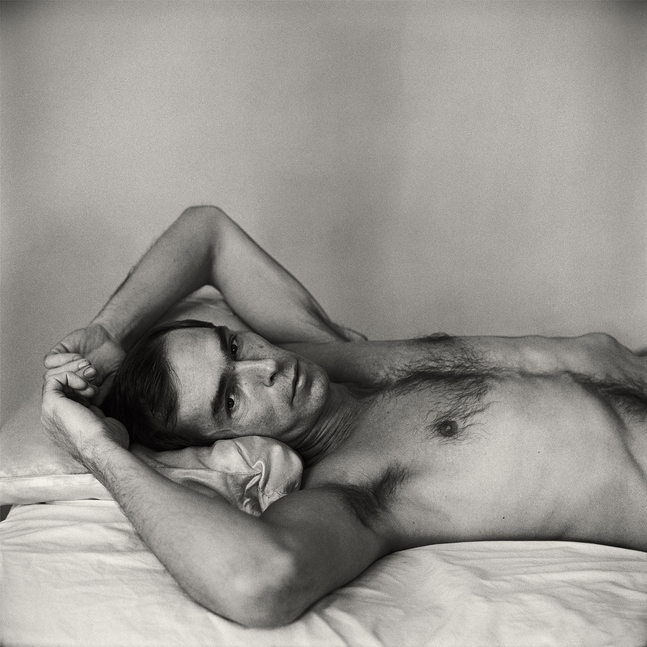
Self-Portrait Lying Down, 1975
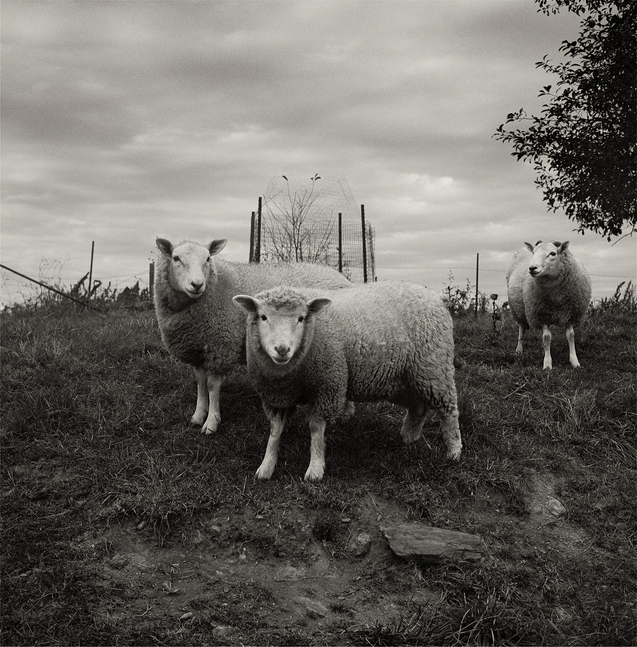
Sheep, Pennsylvania, 1969
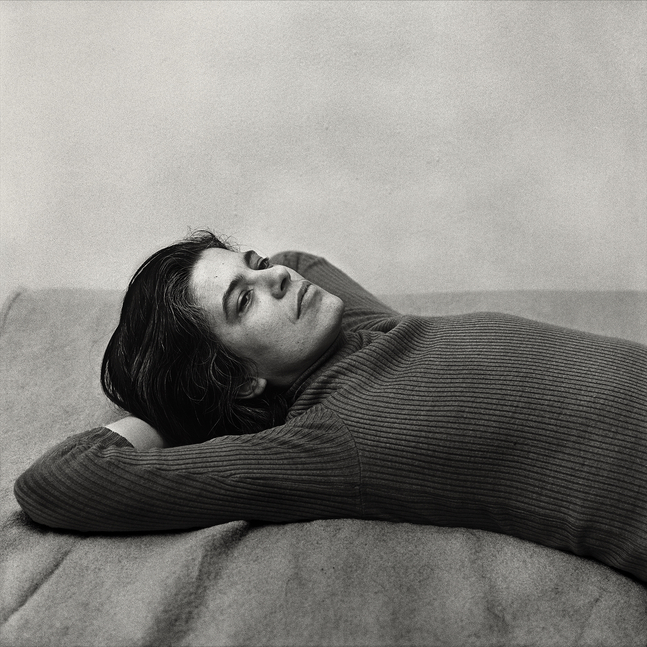
Susan Sontag, 1975
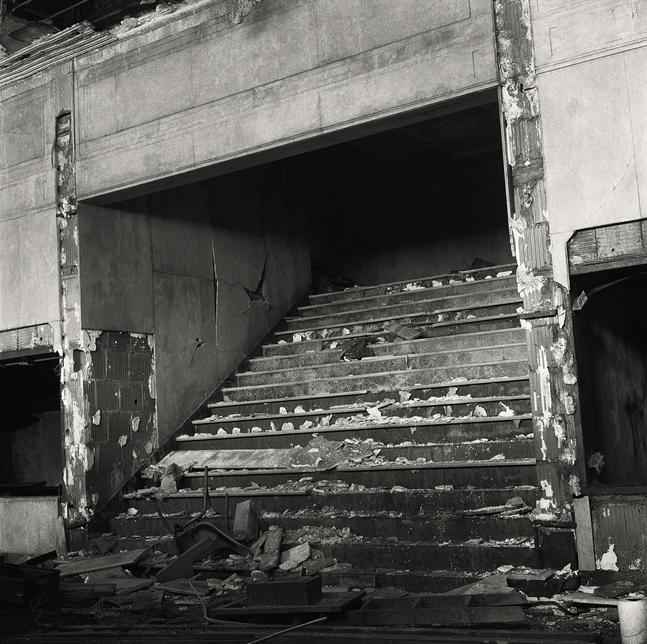
Ruined Staircase, Pier, 1983
